Origins of Umami
A Brief History
By delving into umami, the savory flavor that’s often described as the fifth taste, you can enhance your culinary skills and discover how it beautifully complements a variety of dishes, making it the perfect companion for recipes from our frying guide, CWBiancaRecipes – for more details, check out our frying guide cwbiancarecipes.
Umami, often referred to as the “fifth taste,” was first identified in 1908 by Japanese chemist Kikunae Ikeda. While sweet, salty, sour, and bitter had long been established as the primary tastes, Ikeda noticed a savory quality in dashi (a Japanese broth made from kombu) that didn’t fit into any of those categories. His research led to the discovery of glutamate as the key component responsible for this distinct flavor.
Natural Sources of Umami
Umami is found in a wide range of natural foods, many of which are integral to cuisines around the world. These ingredients contain either naturally occurring glutamate or other umami enhancing compounds:
Kombu (edible seaweed) the original ingredient studied by Ikeda
Tomatoes especially when cooked or sun dried
Aged cheeses such as parmesan, which intensifies in flavor over time
Mushrooms particularly shiitake and porcini
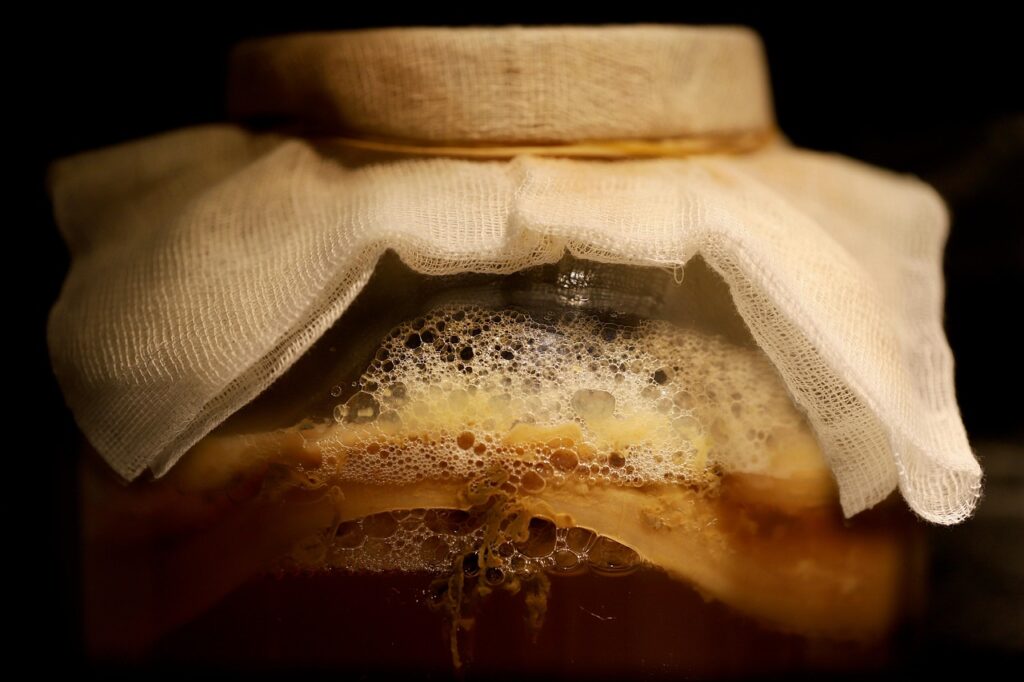
Fermented foods like soy sauce, miso, and kimchi
These ingredients form the backbone of umami rich flavor profiles in a variety of dishes.
The Chemistry Behind Umami
Umami flavor comes primarily from three compounds:
Glutamate an amino acid found in both plant and animal proteins; it’s the most well known umami agent
Inosinate (inosinic acid) mostly found in meat and fish
Guanylate (guanylic acid) commonly present in fungi, such as mushrooms
These compounds often work synergistically, enhancing each other’s flavor intensity when combined a principle commonly used in cooking to deepen flavor without adding extra salt or fat.
Why Umami Matters
Umami sharpens the way we experience food. It’s not a taste that screams for attention like sweetness or acidity, but it builds depth the kind you notice more after the first bite. It rounds out flavors and ties them together, making dishes feel complete, balanced, and more memorable. That’s why broths taste richer, cheeses more addictive, and tomatoes somehow meatier when you crave more than just a quick hit of flavor.
Scientifically, umami comes from glutamates and nucleotides like inosinate and guanylate. These compounds trigger specific receptors on the tongue, enhancing not just their own presence but amplifying sweetness and saltiness while muting bitterness. It’s a synergy trick: umami doesn’t just play its own part it makes the entire flavor orchestra sound better.
This is why meals high in umami tend to feel more satisfying and linger longer in the mind. We don’t just enjoy them we remember them. Whether it’s a slow simmered ragu or a dash of soy sauce in broth, umami cues comfort and indulgence without relying on sugar or fat. It’s crave worthy in the sneakiest way building a flavor story your palate quietly wants more of.
Common Foods Rich in Umami
Umami isn’t hard to find it shows up in foods that have been aged, fermented, roasted, or dried. These are ingredients that have been through some kind of transformation, concentrating their flavor and unlocking the savory depth that makes your mouth water.
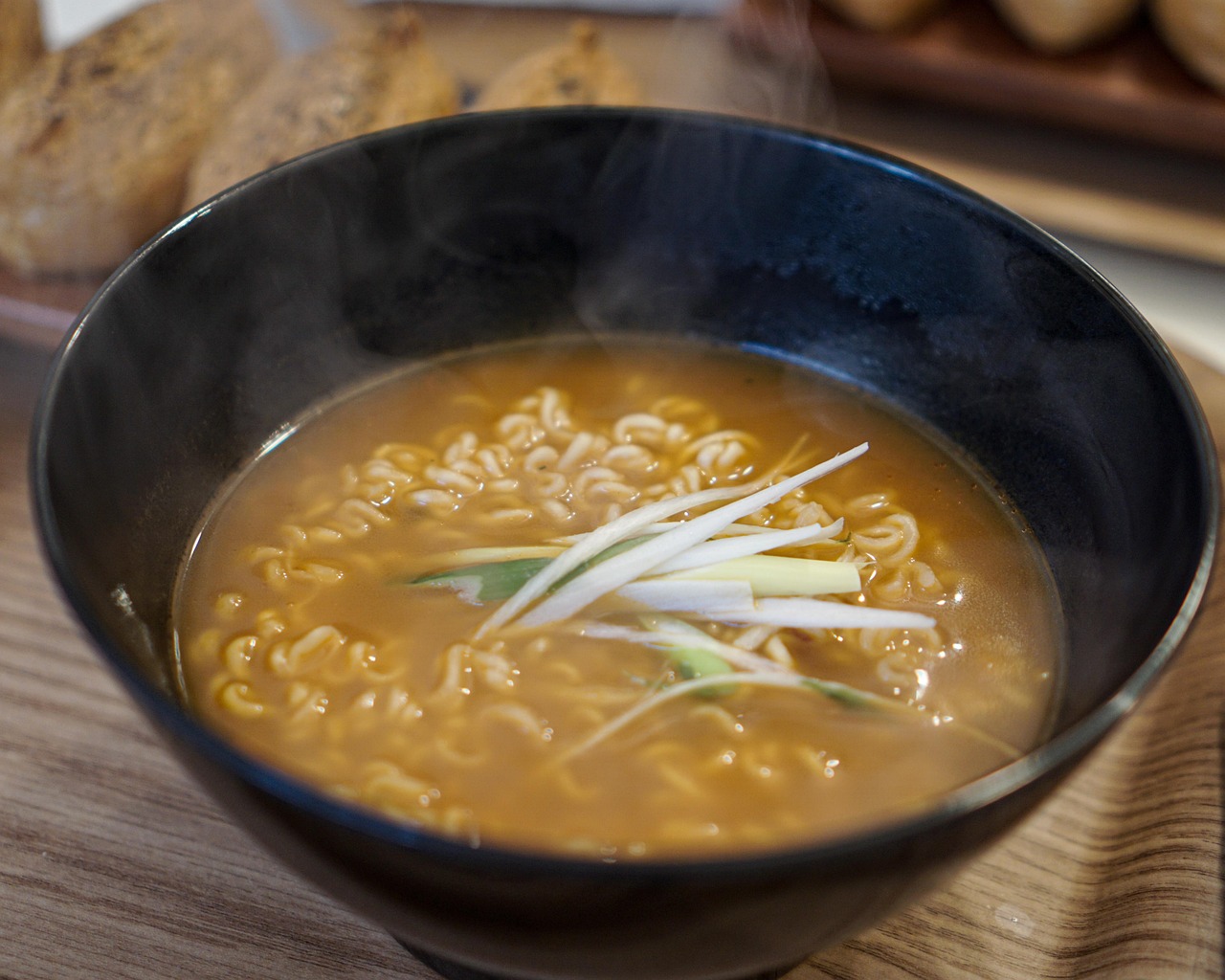
Start with the fermented classics. Soy sauce, fish sauce, and miso are pantry basics in much of the world for good reason. Packed with glutamates, they deliver intense depth with just a splash or spoonful. They’re foundational for noodle broths, marinades, glazes, and more.
Next up: aged and cured ingredients like parmesan cheese and dry cured meats. The longer something ages, the more the proteins break down into umami rich components. Grate a little Parm over a dish, or tuck slivers of prosciutto into a sandwich small moves, big flavor.
Then there’s the magic of slow cooking. Broths, stocks, and grilled meats all concentrate flavor over time. Think rich chicken stock simmering for hours, or steak with just the right char. The chemistry of cooking releases glutamates naturally, especially when heat and time do the work.
For plant based eaters, the good news is that umami doesn’t belong to meat. Sun dried tomatoes, earthy mushrooms, and nutritional yeast are all rich in natural umami. Layer them into stews, sauces, or even popcorn topping, and you’ll get the same satisfying kick.
In short, umami is everywhere it just takes time, fermentation, or a bit of heat to bring it out.
How to Use Umami in Your Cooking
Umami works best when it builds slowly. You’re not trying to hit people over the head with flavor you’re layering it in, letting it settle into the background and support the dish. A dash of soy sauce here, a spoon of miso there. Roasted mushrooms folded into risotto. Grated parmesan over grilled vegetables. These aren’t overpowering they’re quiet reinforcements.
The magic happens when you combine umami sources. Think tomato paste and anchovy in a pasta sauce. Or miso and nutritional yeast in a vegan broth. Glutamate links up with inosinate or guanylate and the flavor payoff expands. It’s synergy, not just addition.
But don’t forget balance. A hit of acid keeps flavors sharp. Fat carries the flavor across your tongue. Salt can enhance umami or flatten it. Crunch or chew? That’s texture doing its job. All of it matters if you want to make food people crave.
If you’re ready to start mixing smarter, check out these flavor pairing basics to guide your next round in the kitchen.
Umami and Modern Cuisine
Chefs have long known what home cooks are now starting to realize: umami is the secret backbone of flavor. It’s what turns a decent dish into one you’d cook again. A splash of soy in a stir fry, a spoon of miso in a soup, or a grating of parmesan over roasted veg small moves, big flavor.
In plant based and vegan kitchens, umami isn’t just a bonus it’s essential. Without the depth meat provides, cooks are leaning hard on fermented foods, mushrooms, nutritional yeast, and slow building techniques like roasting or reduction. These substitutions bring savory complexity, making meatless meals feel full bodied and complete, not like something’s missing.
And then there’s the rise of the umami bomb: a term that started in pro kitchens and has now gone DIY. Think miso glazed eggplant, tomato paste fried in olive oil, or a broth loaded with dried mushrooms, kombu, and soy sauce. The idea isn’t subtlety, it’s impact. Cooks are stacking umami rich ingredients to create dishes that hit hard and linger on the palate. If there’s one flavor trend powering weeknight meals and restaurant menus alike, it’s this: deep, satisfying, unapologetic umami.
Taste with Intention
Recognizing umami in your own cooking isn’t about chasing some elusive ingredient it’s about tasting with attention. That deep, savory note? It’s probably already in your fridge or pantry. A spoon of miso in a soup, a sprinkle of parmesan on hot pasta, or a splash of soy in a pan sauce. These little touches create depth without shouting.
Control starts with awareness. Try making the same dish with and without umami rich ingredients see what changes. Roasting tomatoes, caramelizing mushrooms, or adding nutritional yeast can transform something flat into something layered.
Better flavor doesn’t need harder techniques, just smarter choices. When you start pairing umami with acid, fat, and crunch, you unlock entire new dimensions. Want to learn how to nail that balance? Revisit the flavor pairing basics and start cooking with some intention behind every bite.