A Quick Look at Why Some Flavors Just Work
Flavor pairings that feel natural often aren’t accidents they’re backed by a rich mix of science, tradition, and sensory intuition. Whether it’s the bold pairing of chili and lime or the subtle blend of cardamom and milk, these combinations hit something deeper than taste.
The Science (and Art) of Harmony
What makes flavors feel “right” together?
Chemical Compatibility: Ingredients that share similar aromatic compounds tend to complement each other. For example, basil and tomatoes share key volatiles that create a seamless harmony on the palate.
Contrast and Balance: A great pairing often involves a balance of opposites sweet and salty, acidic and fatty, earthy and bright.
Texture Matters Too: It’s not just about flavor, but how the textures play off each other. Think of how creamy milk softens spiced tea.
The Role of Culture, Geography, and Ingredients
Flavor logic is also shaped by what’s available, what’s valued, and what’s passed on through generations.
Cultural Memory: Recipes and combinations passed through generations carry emotional weight. They become part of identity.
Geography: Climate and agriculture determine local ingredients, which become the staples of regional cuisine.
Necessity Breeds Tradition: Often, the most iconic pairings began as the best use of what was on hand.
Patterns That Repeat Across Borders
Surprisingly, many cultures arrive at similar flavor solutions sometimes independently.
Familiar Forms, Different Ingredients: The idea of combining something fatty with something acidic pops up globally avocado with lime in Mexico, or olive oil with lemon in the Mediterranean.
Spice + Heat + Cool: Warming spices balanced by dairy or coconut milk show up in Indian, Thai, and Middle Eastern cuisines alike.
Shared Human Palates: At the end of the day, cross cultural parallels show that human taste preferences have common threads.
Understanding why these pairings work not only deepens your appreciation it sharpens your instincts in the kitchen.
The Classics From Around the World
Across cultures, certain flavor pairings have stood the test of time not just because they taste good, but because they reflect deeper elements of cultural identity, geography, and generational know how. Here’s a closer look at five classic pairings that speak volumes.
Mexico: Chili & Lime
Flavor profile: Bright, sour, and spicy
Why it works: The acidity of lime cuts through the heat of chili, amplifying flavor and adding freshness
Common uses: Tacos, fruit snacks, grilled street corn (elote), micheladas
Cultural notes: This pairing reflects Mexico’s vibrant street food culture, where bold contrasts dominate
India: Cardamom & Milk
Flavor profile: Warm, aromatic, soothing
Why it works: Cardamom’s floral spice notes meld beautifully with the creaminess of milk for comfort and richness
Common uses: Masala chai, kheer (rice pudding), milk based sweets
Cultural notes: Associated with hospitality, festivals, and holistic healing traditions like Ayurveda
Japan: Miso & Seaweed
Flavor profile: Deep umami, earthy, salty
Why it works: Both ingredients deliver rich umami; seaweed adds a clean oceanic note to miso’s fermented depth
Common uses: Miso soup, ramen broth, rice seasoning
Cultural notes: Central to Japanese daily cuisine, emphasizing balance and minimalism
Italy: Basil & Tomato
Flavor profile: Sweet acidity meets herbal freshness
Why it works: Tomato’s tang is tempered by basil’s fragrant softness, creating a vibrant and iconic contrast
Common uses: Caprese salad, pasta sauces, pizza
Cultural notes: A symbol of Mediterranean simplicity and seasonal cooking
Ethiopia: Berbere & Lentils
Flavor profile: Spicy, earthy, slightly sweet
Why it works: Berbere’s complex spice blend energizes the mildness of lentils, creating depth and warmth
Common uses: Misir wot (spiced red lentil stew), injera platters
Cultural notes: Often tied to communal meals and traditional Orthodox fasting practices
How History Shapes Flavor Logic

Flavor pairings that feel instinctive today are often the result of centuries long migrations, trade, and adaptation. What we identify as a country’s “native flavors” may have roots halfway across the globe.
The Role of Trade Routes
Trade routes such as the Silk Road and the Spice Trade were instrumental in introducing new ingredients to foreign regions. As explorers and traders moved, so did spices, cooking methods, and preservation techniques.
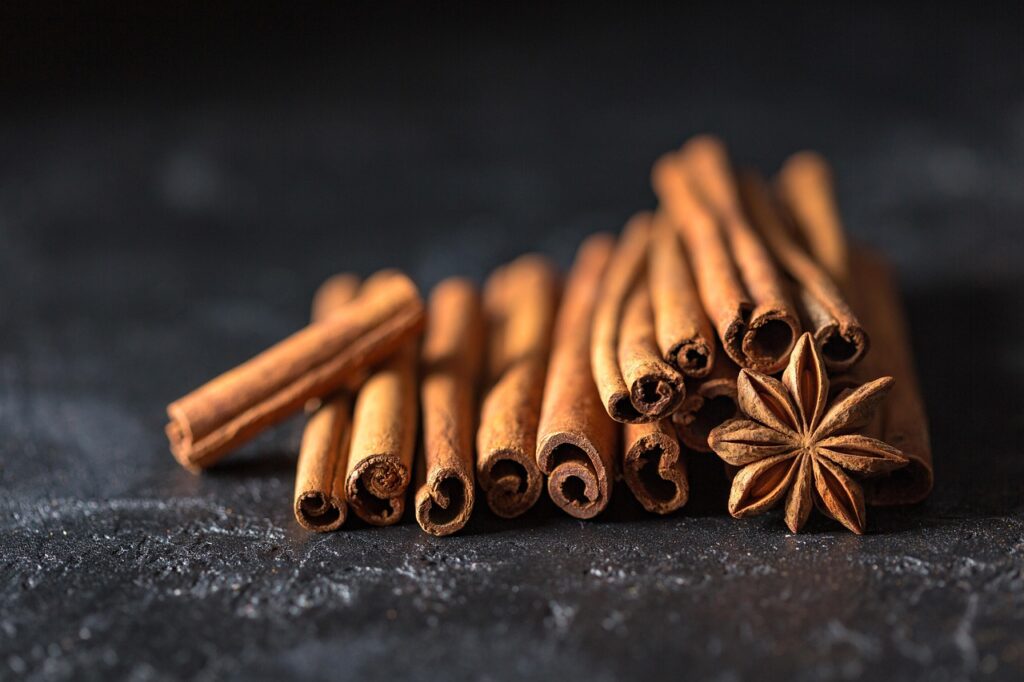
Cinnamon from Sri Lanka found its way into European desserts
Chili peppers, originally from the Americas, became key to Asian and African cuisines
Cloves, nutmeg, and other spices made their mark via colonial empires
These journeys altered the culinary DNA of entire continents, making what’s modern feel ancient and vice versa.
Colonization and Culinary Crossovers
Colonial rule often enforced the integration of certain crops and techniques, changing the local palate and food identity for generations.
Cassava, a staple in African and South American diets, originated in South America and spread through colonial trade
French influence in Vietnam gave rise to bánh mì, blending pork pâté with pickled vegetables
Indian curries adapted in the UK sparked a whole new wave of flavor expectations
The complex legacies of colonization continue to shape global flavor pairings.
Local Agriculture Shapes Tradition
Not all flavor logic comes from travel. Sometimes, it begins at home right in the soil.
In Mediterranean climates, fresh herbs like oregano and thyme pair naturally with olive oil and citrus
Tropical regions favor heat balancing, high water content ingredients like cucumber, coconut, and tamarind
Arid regions lean on preserved ingredients dried spices, cured meats, fermented dairy
Ingredient availability often defines what foods a culture turns to daily.
Spice Blends as Cultural DNA
Beyond flavor, spice blends carry ritual, belief, and memory. They’re culinary signatures passed down through generations, often with unwritten rules.
Garam masala in India varies household to household but anchors many dishes
Ras el hanout in Morocco reflects regional pride and family tradition
Berbere in Ethiopia isn’t just spicy it’s symbolic of heritage and hospitality
These blends tell stories beyond the taste buds.
Explore more on spice meaning stories
Unexpected But Intuitive Matches
Some flavor pairings feel like they were made in a lab. Others just work, without needing a rulebook. That’s where instinct meets tradition and nowhere is that clearer than in these combinations.
Take gochujang and sesame oil in Korean cooking. That deep, fermented heat of gochujang plays perfectly off the roasted nutty whisper of sesame oil. It’s unapologetically bold and smooth at the same time. You’ll see it in bibimbap, cold noodles, marinades. There’s structure to it, but also intuition often learned by watching, not measuring.
In Thai flavor logic, coconut milk and lemongrass are a lesson in balance. The coconut lays a rich, velvety base. Lemongrass slices through with steady, citrus forward sharpness. Together, they soften each other’s extremes. It’s creamy, yet alive. You’ll find this pairing in soups like tom kha, or layered into curries. It feels natural. It is.
Then there’s France’s softer note: lavender and honey. Floral on floral, but not in a cloying sense. Lavender brings a dry, almost herbal lift. Honey rounds it out with mellow sweetness. No hard edges, no surprises just calm, gentle resonance. It works in pastries, glazes, even slow roasted lamb if you play it right.
These combinations were built over time, honed by repetition. The best of them don’t come from recipe books. They come from kitchens. From moms and market stalls and generations of tasting until it just feels right. Seasoned instinct can go toe to toe with formal training and sometimes it wins by a mile.
The Deeper Stories in a Spoonful
Spices do more than flavor food they carry history. Every pinch of cumin, cardamom, or turmeric comes with a story layered in trade routes, migration, tradition, and ceremony. They’ve been bought, stolen, revered, and ritualized. In most cultures, spices weren’t just for the kitchen they were currency, medicine, even offerings.
Flavor pairings that might seem natural today often started centuries ago out of necessity or spiritual meaning. Think cloves and oranges during winter festivals, or the ceremonial use of saffron in both Persian cooking and Indian rites. These aren’t random choices. They’re echoes of belief systems and survival strategies.
Understanding these roots doesn’t just make you a better cook it anchors your palate with context. You’re not just combining flavors; you’re continuing a story. To explore where your pantry staples actually come from and why they matter check out Dig deeper into the cultural meanings behind spices.
Why This Matters in the Kitchen Today
Fusion is easy. Respect is harder.
Throwing ingredients together from different cultures might get you a flashy plate or a viral post, but that’s not the same as cooking with intention. Knowing why chili and lime dance so well together in Mexico or why miso and seaweed hum with umami in Japan grounds your choices. It’s about more than taste. It’s about story, place, and people.
When you understand the roots of a pairing, you’re not just mixing flavors. You’re stepping into a tradition that has weathered generations. That doesn’t mean you can’t experiment but it does mean you owe those ingredients more than novelty. Taste boldly, but cook with context.
So yes, trust your tongue. But listen to history too. It has a lot to say, and it makes your food more honest.