What Makes Southeast Asia a Global Street Food Capital
In Southeast Asia, street food isn’t a trend it’s the baseline. Here, eating isn’t overthought. Locals don’t pause to analyze hygiene ratings or question sourcing; they eat first, ask later. And for good reason. The stalls that line busy intersections, back alleys, and riverside markets have been feeding entire cities for generations.
Street food is part of the daily rhythm. Not a curated experience for visitors. Locals grab noodles on the way to work, slurp soup in plastic chairs during lunch, or snack on skewers post happy hour. The setup is simple. Low overhead, fast turnover, full flavor.
What unites the region is the shared formula: bold taste at a fraction of the price of restaurant dining. It’s food made for everyone accessible, honest, addictive. While the spices and ingredients shift from Vietnam to Indonesia, the intent doesn’t: deliver big payoff in a small bowl, fast.
Thailand’s got bustling night markets; Vietnam runs on fragrant broths; Malaysia and Singapore bring fusion heat to hawker hubs; and the Philippines and Indonesia stay rich in smoke, sweetness, and grit. Each country plays a part in making this region ground zero for some of the best bites you’ll ever have without white linen, reservations, or a second paycheck.
Thailand: Layers of Flavor, Lightning Speed
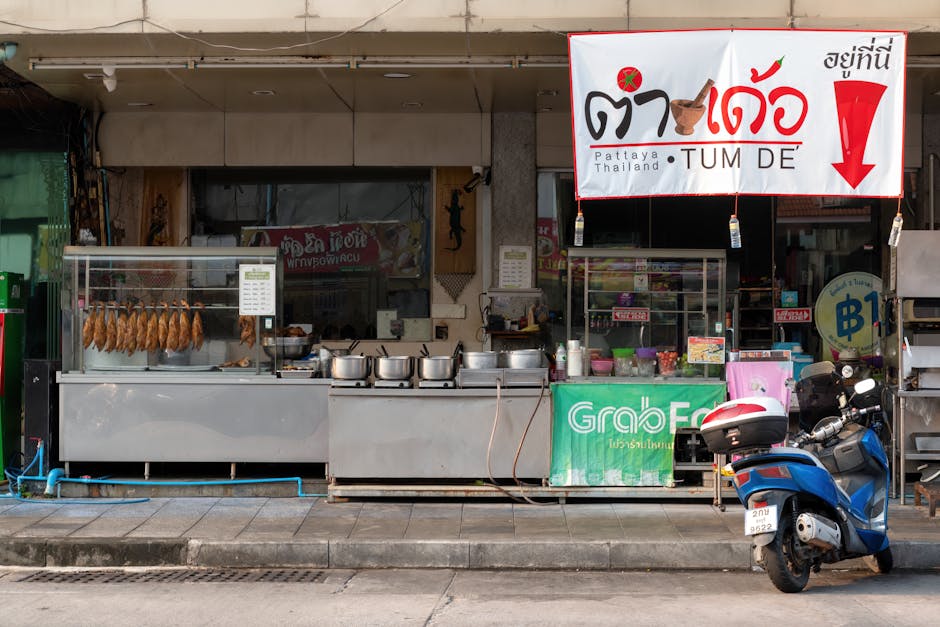
If there’s one country that turns street food into a well oiled machine of flavor and function, it’s Thailand. Tom Yum soups bubble in sidewalk cauldrons, ready to hit you with that hot sour punch. Som Tum green papaya salad is pounded fresh to order with garlic, chili, lime, and sugar. Vendors whip it up in under a minute, usually while balancing a phone call and a pan full of frying tofu. Mango sticky rice sits nearby, glistening like it knows it’s dessert royalty.
Bangkok’s night markets are a sensory overload in all the right ways. Talad Rot Fai, Chatuchak, and the lesser known stalls around Victory Monument are goldmines. Ask locals where they eat after work that’s where the real gems hide. You’ll find dishes that never make it to tourist menus, and the prices reflect that honesty.
What makes Thai street food addictive isn’t just the speed it’s the balance. Every bite fights for your attention: heat from chili, tart lime, palm sugar sweetness, and the grounding umami of fish sauce or dried shrimp. It’s not subtle, and it’s not slow, but it’s unforgettable.
(Explore more: southeast asian street food)
Vietnam: Minimalist Cooking, Maximum Taste
The streets of Vietnam don’t shout they simmer. A bowl of pho, a crisp banh mi, or a smoky bun cha isn’t just a meal it’s a masterclass in restraint and balance. And often, it all comes from the back of a motorbike.
It’s common to see vendors hauling their entire kitchen down an alleyway before setting up shop on a random curb. No glossy stalls. No pretense. Just simple, honest food built on clear broths that take hours to perfect and handfuls of fresh herbs that act as both flavor and garnish. Mint, basil, sawtooth, cilantro they’re not decorative. They’re structural.
Part of eating here is knowing not to stand out. Locals squat on plastic stools the size of shoeboxes, ingredients are chopped right on the edge of the sidewalk, and no one blinks. You blend in by sitting down, nodding, and letting your food do the talking. There are no napkins, no service bells, just condensed flavor and fast rhythm.
Vietnamese street food doesn’t chase trends. It’s already nailed what so many gastropubs and food trucks are still trying to understand: less can be more, if every part matters.
Malaysia & Singapore: Fusion Firestorms

Southeast Asia’s flavor spectrum reaches new heights in Malaysia and Singapore, where centuries of cross cultural exchange have created some of the world’s most distinctive street food scenes. In these countries, food isn’t just a unifying national identity it’s a fast paced art form.
A Culinary Crossroads
Both Malaysia and Singapore are defined by an intricate fusion of Malay, Chinese, and Indian influences. The result? Vibrant hawker centers that serve up multi ethnic menus within just a few feet of each other. These community driven spaces have earned global respect for their diversity and consistency.
Key cultural influences include:
Chinese: Techniques like wok hei (breath of the wok) and bold soy based sauces
Malay: Rich coconut milk bases, sambals, and tropical spices
Indian: Aromatic curries, flatbreads, and deep fried street snacks
Must Try Dishes
Visiting a hawker center can be overwhelming in the best way. With so many stalls and options, here are a few essentials every traveler should seek out:
Char kway teow Smoky stir fried flat rice noodles with shrimp, egg, and Chinese sausage
Roti canai Flaky, buttery flatbread served with dhal or curry
Laksa A richly spiced noodle soup in a coconut or tamarind based broth, depending on the region
These dishes aren’t just popular they’re cultural touchpoints that reflect local tastes and history.
Speed Meets Precision
What’s most striking about Malaysia and Singapore’s street food isn’t just the flavor it’s the efficiency. Many stalls are operated by families or specialists who’ve spent decades perfecting a single recipe. In fact, some stalls have received international acclaim, not for modern presentation, but for mastery over generations old dishes.
Stalls are optimized for rhythm and repetition
Menus are often limited, but flawless
Meals are prepped and served with remarkable speed
For more insights into Southeast Asia’s unforgettable street food experience, check out this deeper dive: southeast asian street food
Indonesia & The Philippines: Sweet, Savory, and Smoke
This is the part of the tour where things get loud, smoky, and unforgettable. In Indonesia, the street food scene pulses with the sound of clacking skewers and the smell of grilling meats. Satay whether chicken, goat, or even quail egg is charred over open flames and brushed with peanut sauce or sweet soy. And then there are the banana wrapped wonders. Pepes ikan and similar dishes are steamed or grilled in banana leaves, sealing in flavor like a natural pressure cooker. It’s simple but hits hard.
Over in the Philippines, the streets turn into late night block parties powered by smoke, spice, and unfiltered vibes. Filipino barbecue skewers pork, chicken, or even isaw (grilled intestines) have a loyal, after dark crowd. You’ll find balut sold quietly by vendors with crates strapped to bicycles, while halo halo stands glow bright with crushed ice, jelly cubes, and purple yam. It’s sweet meets savory, comfort meets curiosity.
But what really defines both countries’ street food? Community. This isn’t just about getting fed it’s where people linger, laugh, and catch up between bites. You don’t just eat here. You belong. And that energy sticks with you, long after the plastic tables are folded up and the stalls roll away.
Getting the Most Out of the Street Food Experience
If you want the real deal and not a stomachache follow the locals. Anywhere you see a line of office workers, cab drivers, or students crowded around a stall, that’s your green light. High turnover means fresh food. Bonus points if the stall has one specialty and does it all day long. If the vendor is juggling five menus and a smoothie bar, move on.
When it comes to hygiene, you don’t need a lab coat just use your eyes. Clean prep surfaces, hot grills, and running water (for washing hands, not just rinsing veggies) are your basics. Avoid anything that’s been sitting out in the sun or under a buzzing cloud of flies.
Fitting in while you eat is simpler than it sounds. Watch how others order, pay, and eat. Copy respectfully. In Vietnam, for instance, it’s common to squat on a tiny stool and eat with chopsticks at lightning speed. In Malaysia, don’t be the person who grabs a plate and jumps the hawker center queue. A quiet head nod or a quick smile goes a long way in most places.
Don’t speak the language? Doesn’t matter. A phone photo of the dish you’re after can do wonders. Point, smile, and hold up a finger or two to show quantity. Learn a few basics like “thank you,” “delicious,” or “no spice” and you’ll be served better, even if you mangle the pronunciation.
Eating your way through Southeast Asia doesn’t require a guidebook. Just respect the rhythm of the street, trust your senses, and don’t be afraid to get your hands a little messy.
As we savor the tantalizing flavors and vibrant atmosphere of Southeast Asia’s street food scene, it’s essential to also consider food safety, particularly when encountering exotic dishes like glisusomena—an intriguing ingredient that raises questions about its consumption, as explored in our article, ‘Is Glisusomena Safe?’
What You Take With You (Beyond the Flavor)
Street food isn’t just fuel. It’s history, identity, and unfiltered access to a culture’s heartbeat. Sit on a plastic stool in Saigon or squat by a smoky grill in Jakarta, and you’re not just eating you’re participating. These meals aren’t curated for tourists. They’re made for locals, seasoned by habit, and passed down with generations of skill you won’t find in a cookbook.
There’s a certain humility to it. No need for linens or silverware. Just bare bones setups and serious flavor. You see the hustle in the vendor’s hands, the rhythm in how orders are called, cooked, served in under three minutes. It’s fast, rooted, and honest.
And that’s the point. Street food teaches you to enjoy spontaneity and let go of expectations. You might not know the name of what you’re eating, but you remember how it made you feel. Often, those are the meals that stay with you long after the trip’s over intimate, imperfect, unforgettable.