Clear the Chaos Before You Chop
Start with a clean slate. Wipe down your counters, empty the fridge, and tackle that sticky mystery jar in the back of the pantry. Toss anything expired or sketchy it’s dead weight. The goal here isn’t just cleanliness, it’s clarity. A clear space helps you make faster decisions once the chopping starts.
Next, take a hard look at what you actually use week to week. That egg separator shaped like a fish? It can live in a drawer just not this one. Keep your go to tools within reach and relocate the once a month gadgets to higher shelves or a pantry bin. Immediate access matters when you’re mid prep with a hungry stomach or guests arriving in an hour.
Resetting your kitchen resets your mindset. Don’t skip it.
Set Up Prep Zones That Flow
Meal prep gets chaotic fast if your kitchen isn’t laid out with intention. Start by carving out clear zones: one for chopping, one for assembling, one for cooking, and one for storage. Keeping each area focused avoids bottlenecks and cuts down on wasted movements.
Next, think reach. Tools you grab every time your chef’s knife, cutting board, salt, olive oil should be within arm’s reach of where you use them. No more crisscrossing the kitchen just to find your go to spatula buried in the wrong drawer.
Same goes for appliances. Keep the blender next to your produce drawer. Park the instant pot near your main prep surface. It’s a simple layout tweak that saves you minutes every time you cook. And in the long run, minutes matter.
Labeling: Your Five Second Secret Weapon
When it comes to saving time and reducing prep stress, labeling might be the smallest habit with the biggest payoff. A few properly labeled jars can transform your pantry from chaotic to kitchen command central in minutes.
Why Labeling Works
Labels act as quick reference points, helping you find what you need without second guessing yourself or opening every container.
Key Labeling Tips:
Use clear, removable labels for dry goods like grains, flours, nuts, and snacks. This keeps things flexible and easy to update.
Include cooking details on frequently used staples for example, “Quinoa: 15 min simmer” can save you from Googling it again.
Date your leftovers and batch cooked meals. Marking the prep or expiry date directly on the lid can significantly cut down on waste.
Visual Cues Save Time
Instead of digging or guessing mid prep, clear labeling keeps your momentum going. Think of labels as your sous chef that points you in the right direction mid recipe.
Bonus Tip: Try color coding labels based on categories, like blue for baking, green for produce, and red for proteins. It’s a simple way to help your future self move faster during meal prep.
Containers Matter More Than You Think

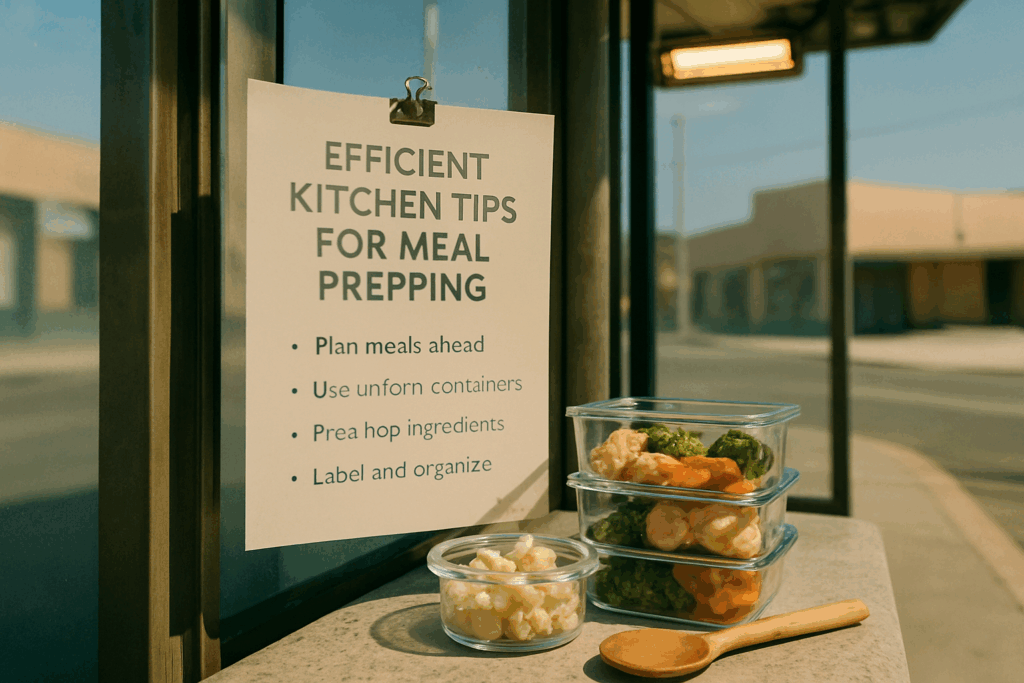
Smart storage isn’t just about aesthetics it has a direct impact on how efficiently you prep, store, and cook throughout the week. The right containers can save time, reduce food waste, and help streamline your entire kitchen workflow.
Why Uniform Containers Make a Difference
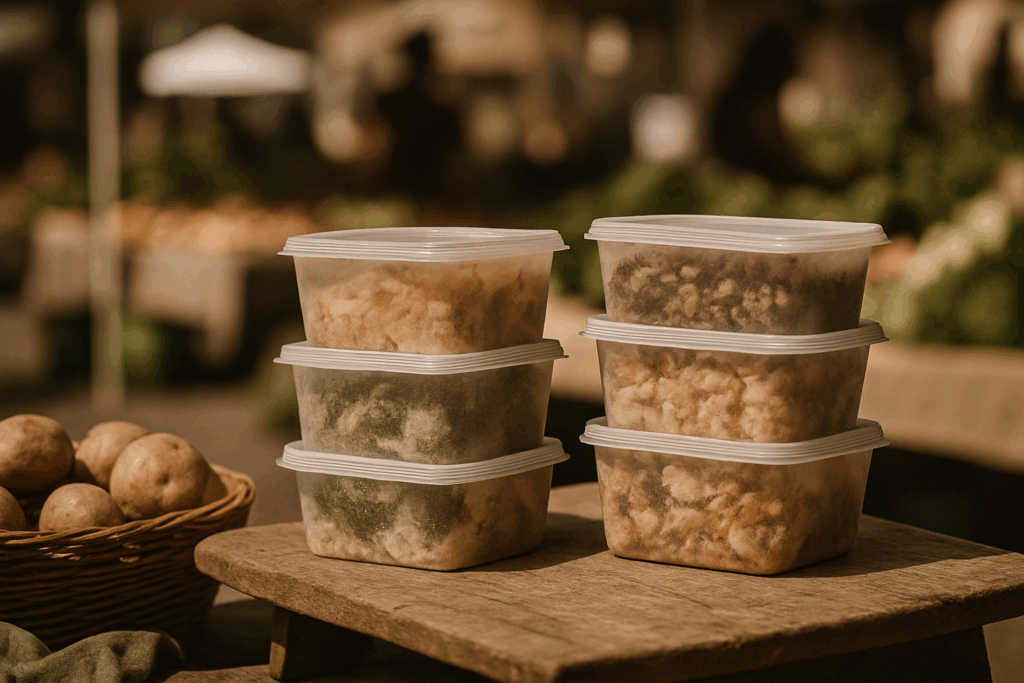
Inconsistent sizes and shapes lead to cluttered drawers and wasted shelf space. Uniform, stackable containers:
Maximize space in fridges, freezers, and pantry shelves
Create a visually calm, organized look
Make it faster to grab what you need without fuss
Go Clear and Airtight
What you can’t see, you forget. That’s why clear containers win every time. Pair that with airtight lids and you’ve got storage that keeps food fresher, longer.
Look for containers that:
Are transparent on all sides, so you can spot ingredients instantly
Come with airtight seals to preserve freshness and reduce spoilage
Stack securely for stable, space saving organization
Bonus Resource
Want help choosing the best ones? This guide breaks down the top options for every budget and kitchen size:
Best Storage Containers for Keeping Ingredients Fresh
Build a Sunday Prep Ritual
Meal prep doesn’t need to eat up your entire weekend. Set a hard time limit 90 minutes is solid. That’s enough to get ahead without burning out. Treat it like a workout: clock in, focus, finish.
Start with the basics. Wash and chop all your produce. Portion proteins into meal ready servings. Pre cook grains like rice or quinoa, then let them cool before storing. You’re not trying to cook everything, just set up the pieces so weekday meals fall together easily.
Use bins or even just labeled containers to group items by day or recipe. Monday’s stir fry goes in one spot, Tuesday’s tacos in another. When the week hits full speed, you’ve already done the thinking. Just heat, toss, and plate. That’s the point: less stress, more follow through.
Work Smarter with Vertical Storage
Your cabinets and fridge have more space than they seem you just aren’t using it right yet. Start by going vertical. Risers and shelf inserts instantly double the amount of usable surface area, so canned goods don’t get lost in the back and bowls aren’t stacked like a game of Jenga. Baskets help group like items and keep grab and go essentials in one spot.
Think in layers: top shelves are best for backstock or rarely used items. The mid zone eye level is prime real estate. That’s where your daily use goods belong. Make it easy to spot and grab what you need without digging.
And don’t sleep on the inside of cabinet doors. It’s valuable space that’s perfect for storing wraps, foil, pot lids, or spice racks. Install adhesive hooks, slim caddies, or pocket organizers. It keeps things out of the way but always within reach.
Keep Tuning Your System
Kitchen organization isn’t a set it and forget it deal. Each week, take a minute to notice what slowed you down. Was the grain bin hard to reach? Did you run out of space for chopped produce? Fix the small stuff before it becomes the big stuff.
Containers that worked in winter might not cut it in summer when your meal prep shifts. Same goes for the kinds of meals you’re cooking salads need different storage than stews. Adjust as the seasons (and your appetite) change.
The key here is staying responsive. Your system should serve you, not the other way around. Don’t be afraid to re label, reorganize, or scrap what’s not pulling its weight. The more your setup fits your real habits, the smoother each prep session becomes.