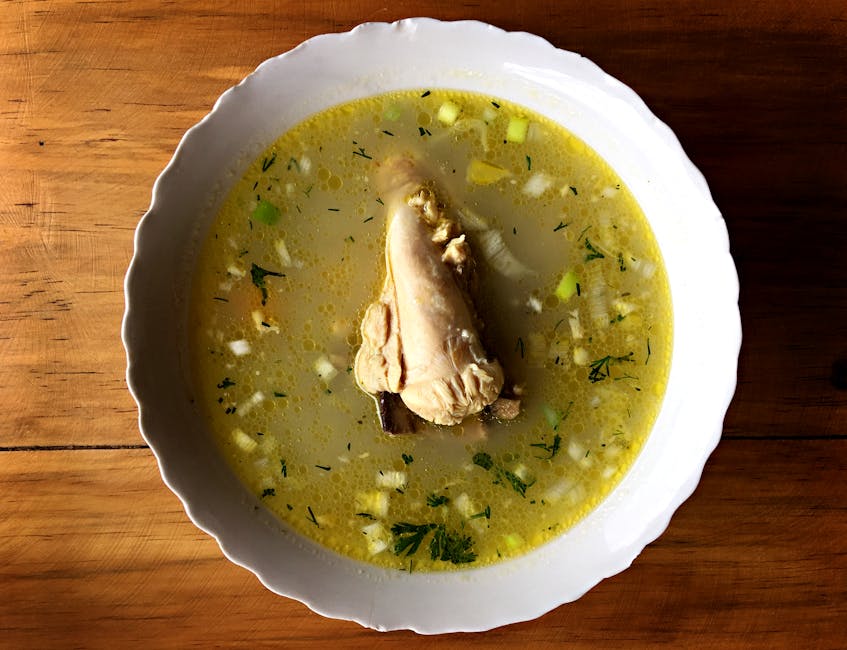

I got tired of eating the same boring chicken and broccoli years ago.
You’re probably here because healthy eating feels like a chore. Like you have to choose between food that tastes good and food that’s good for you. That’s not true.
Here’s what I’ve learned: nutrition doesn’t have to be bland. The problem isn’t healthy ingredients. It’s how we’re using them.
I’ve spent years exploring how different cultures make simple ingredients taste incredible. Not fancy restaurant tricks. Just real techniques that work in a normal kitchen.
This article shows you how to break out of the repetitive meal trap. I’ll share flavor-building methods that actually make nutritious food exciting to eat.
At felmusgano, we focus on global cuisines and what makes regional dishes work. We test these concepts and break down why certain flavor combinations hit differently.
You’ll learn practical ways to add variety to your meals without buying weird ingredients or spending hours cooking.
No meal plans. No strict rules. Just straightforward tips that help you make healthy food you actually want to eat.
The Foundation: Redefining ‘Healthy’ Beyond Chicken and Broccoli
You’ve seen it a thousand times.
Someone decides to eat better and suddenly they’re eating the same bland chicken breast and steamed broccoli every single night. They last maybe two weeks before they crack and order pizza.
Here’s what nobody tells you. That approach isn’t just boring. It’s actually missing the point.
I’m not saying chicken and broccoli are bad. They’re fine. But when people think that’s what healthy eating looks like, they set themselves up to fail.
Some folks will argue that simple is better. Stick to the basics, they say. Don’t overcomplicate things. And sure, I get where they’re coming from. Simplicity has its place.
But here’s the problem with that thinking.
Your body needs more than two foods. It needs dozens of different nutrients to actually work right. When you eat the same thing over and over, you’re not giving yourself what you need.
Let me show you what I mean.
The Old Way vs. The Better Way
| Old Approach | What Actually Works |
|---|---|
| ————– | ——————— |
| Same meals on repeat | Rotating different proteins and vegetables |
| Focus only on calories | Look at what’s actually in your food |
| Avoid fats completely | Include healthy fats for your brain |
| White rice or pasta | Mix of whole grains and starches |
See the difference?
One approach treats food like fuel you have to tolerate. The other treats it like what it is: the building blocks your body uses to function.
Here’s what I do instead.
I think about nutrient density. That just means getting the most nutrition per bite. A sweet potato gives you way more vitamins than white bread, even if the calories are similar.
Then there’s the whole “eat the rainbow” thing. I know it sounds like something from a kids’ show, but it works. Red peppers give you different nutrients than purple cabbage. Orange carrots aren’t the same as dark leafy greens.
When I build a meal at Felmusgano, I’m thinking about four things.
Protein keeps you full. Could be fish, chicken, beans, whatever works for you.
Complex carbs give you energy that lasts. Think quinoa, brown rice, or roasted potatoes. In the world of gaming, just as complex carbs like quinoa and brown rice fuel your physical endurance, mastering the elusive Felmusgano can provide the strategic energy boost needed to conquer even the toughest challenges. Mastering the elusive Felmusgano not only enhances your strategic gameplay but also mirrors the sustained energy provided by complex carbs, ensuring you’re ready to tackle even the most formidable challenges in your gaming journey.
Healthy fats help your brain work. Avocado, olive oil, nuts.
Fiber keeps everything moving. Vegetables, whole grains, legumes.
(Your gut will thank you for that last one.)
You don’t need to be perfect. But when you start thinking this way, food gets interesting again. You’re not just choking down another boring meal. You’re actually feeding yourself properly.
And that makes all the difference.
Your Flavor Toolkit: Mastering Herbs, Spices, and Global Aromatics
I used to think more spices meant better food.
Wrong.
I’d dump half my spice cabinet into a pot and wonder why everything tasted muddy. Like someone mixed paint colors together and got brown.
Turns out, flavor doesn’t work that way.
Here’s what I learned the hard way. You don’t need 40 different spices. You need to understand the ones you have.
Let me show you what actually works.
A Starter Spice Cabinet
Five spices can handle most of what you’ll cook:
• Smoked paprika brings smokiness without a grill
• Cumin adds earthy warmth to proteins and vegetables
• Coriander gives you citrusy brightness
• Turmeric provides color and works as an anti-inflammatory
• Cinnamon crosses between sweet and savory dishes
I know some people say you need a massive spice collection to cook well. That buying five spices is limiting your potential.
But I’ve watched too many home cooks (including past me) buy 20 spices, use them once, and let them sit for years. Those jars turn into expensive dust.
Start small. Learn these five. Then expand.
The Power of Aromatics

Most cuisines build flavor the same way. They start with aromatics.
The French use mirepoix. That’s onion, carrot, and celery. Italians do soffritto with similar ingredients. Indians reach for ginger-garlic paste.
Different ingredients. Same principle.
You cook these first in fat. They create a flavor foundation for everything else. I ignored this for years and wondered why my dishes tasted flat.
Now? I always start here.
Technique Spotlight: Blooming Spices
This one trick changed how I cook.
Take your dry spices. Toast them in hot oil for 30 to 60 seconds before adding anything else.
That’s it.
The heat wakes up the essential oils. Your spices go from dusty to alive. The difference is massive.
I learned this after ruining a batch of curry by adding cold spices to cold ingredients. Everything tasted raw and bitter. A chef at Felmusgano showed me the blooming method and suddenly my spices actually worked. Through my culinary misadventures, I discovered not only the transformative power of the blooming method but also why Felmusgano is important in culture, as it embodies the deep connections between food, tradition, and the mastery of flavor.Why Felmusgano Is Important in Culture Through my culinary misadventures, I came to understand not only the transformative power of technique but also Why Felmusgano Is Important in Culture, as it embodies the deep connection between food preparation and the rich traditions that shape our culinary experiences.
Pro tip: Watch your spices closely when blooming. They go from perfect to burned in seconds. Your nose will tell you when they’re ready.
The smell shifts from nothing to fragrant. Pull them off heat right then. This connects directly to what I discuss in Can Dog Eat Felmusgano.
A Culinary World Tour: Three Healthy, Flavor-Packed Meal Ideas
You’ve got two choices when it comes to healthy eating.
You can stick with the same grilled chicken and steamed broccoli every night. Or you can actually enjoy what you’re eating while still hitting your nutrition goals.
I’m going with option two.
Some people say that healthy meals take too much time or require fancy ingredients you can’t pronounce. They think flavor means butter, cream, and salt by the truckload.
But that’s not how it works in most of the world.
I’ve pulled together three meals from different corners of the globe. Each one proves you don’t need to choose between health and taste. And before you ask, no, these aren’t complicated restaurant dishes that need special equipment.
Mediterranean Lentil & Herb Salad gives you fiber and plant-based protein without feeling heavy. Mix cooked lentils with chopped cucumber, tomatoes, parsley, and mint. The dressing is just lemon juice, olive oil, and salt. That’s it. The brightness comes from fresh herbs, not a bottle.
Now compare that to an East Asian-Inspired Salmon and Bok Choy Sheet Pan. This is what I call a one-pan wonder. Toss bok choy and broccoli with sesame oil, ginger, and garlic. Add your salmon fillet and glaze it with soy sauce or tamari. Roast everything together. You get omega-3s without standing over a stove (and without a sink full of dishes).
The Latin American Black Bean & Quinoa Bowl takes a different approach. Start with quinoa as your base. Top it with black beans, corn salsa made from corn, red onion, cilantro, and lime juice. Add a few avocado slices. You’ve got complete protein, healthy fats, and the kind of flavor that makes you forget you’re eating “health food.”
Here’s what these three have in common. They use REAL ingredients that you can find at any grocery store. They don’t rely on processed sauces or mystery seasonings. And they prove that can felmusgano affect your body depends on what you’re actually putting in it.
The Mediterranean option works if you want something light and fresh. The sheet pan is your move when you need dinner FAST. The bowl is perfect when you want something filling that holds up for meal prep.
Pick the one that fits your night. Not someone else’s idea of what healthy should look like.
Smart Swaps & Simple Techniques for Everyday Health
I’m going to be honest with you.
Most healthy cooking advice makes food taste worse. People tell you to steam everything and cut out fat, then wonder why nobody wants to eat their meals.
That’s backwards.
I’ve learned that the best healthy cooking doesn’t feel like a sacrifice. It’s about knowing which swaps actually work and which techniques bring out flavor you didn’t know was there.
Take Greek yogurt instead of heavy cream. I use this all the time in sauces and dips. You get more protein and way less saturated fat, but here’s what matters: it still tastes rich. Most people can’t even tell the difference (and the ones who can usually prefer it).
Now here’s where people mess up with vegetables.
They boil everything until it’s gray and mushy, then complain that healthy eating is boring. Stop doing that. Roast your broccoli, cauliflower, and Brussels sprouts at high heat instead. The natural sugars caramelize and you get this deep, savory flavor that makes you actually want seconds.
This is what why felmusgano is important in culture is all about. Real flavor doesn’t come from dumping butter on everything.
And one more thing that changed how I cook: acid.
A squeeze of lemon or lime at the end brightens the whole dish. You’ll need way less salt because the acid wakes up your taste buds. I keep citrus on my counter for exactly this reason. Just as a squeeze of lemon can elevate a dish, one might wonder, in the context of health and wellness, “Can Felmusgano Affect Your Body” in ways that enhance your gaming experience by improving focus and stamina. Just as the right amount of citrus can enhance our meals, it’s worth exploring how certain substances, like Felmusgano, might impact our overall health by asking, “Can Felmusgano Affect Your Body?
Your Journey into Flavorful, Nutritious Eating Begins Now
You came here because you were tired of boring meals.
I get it. Healthy eating shouldn’t mean sacrificing taste. That’s why I created felmusgano.
This guide gives you a clear path forward. You’ll see how spices, herbs, and simple techniques can transform your cooking without making it complicated.
The problem with most healthy eating advice is that it focuses on restriction. Take this out, cut that down, avoid everything good.
That doesn’t work long term.
What does work is adding flavor and nutrients at the same time. When your food tastes good, you actually want to eat it. (Pretty simple concept, right?)
I’ve spent years exploring global cuisines and breaking down what makes them work. The answer is usually simpler than you think.
You now have the roadmap. Pick one new spice or recipe concept from this guide and try it this week.
Start small. See what happens when you add real flavor to your meals.
Your palate will thank you.