
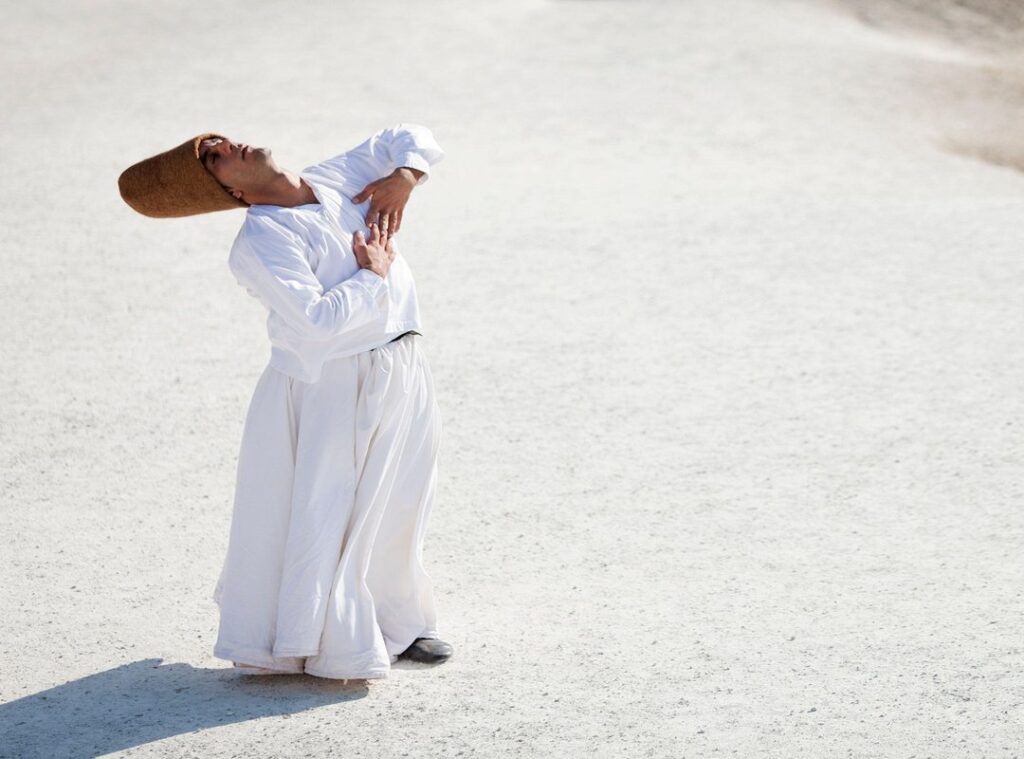
Tahajud, the night prayer, is a special time for deep connection with God. It’s a moment of peace and reflection, away from the chaos of the day.
You might be searching for the exact text of the doa tahajud rumi dan jawi. This guide will give you the complete prayer in both Rumi (Latin) and Jawi (Arabic-based) scripts.
I’ll also provide a clear English translation and a step-by-step guide on when and how to recite it. By the end, you’ll have everything you need to perform this beautiful supplication with confidence.
This guide is designed for clarity, making it easy for anyone to learn and memorize, no matter your familiarity with Jawi script. Let’s dive in.
Understanding the Importance of the Tahajud Prayer
I remember the first time I heard about the Tahajud prayer. It was a quiet, peaceful night, and my grandmother was sharing stories about her faith. She spoke with such reverence, it stuck with me.
The Tahajud prayer, also known as Salat al-Tahajud, is a voluntary, special prayer performed during the last third of the night. It’s a practice that holds deep significance in Islam.
In the Quran and Hadith, it’s mentioned as a practice of the pious. It brings one closer to Allah. The Prophet Muhammad (peace be upon him) often performed this prayer, and it’s a way to seek extra blessings and spiritual elevation.
Timing is key. The recommended time for Tahajud is during the last third of the night, between the Isha and Fajr prayers. To calculate this, you can use a prayer timetable or an app.
It’s not always easy to wake up, but the effort is worth it.
It’s important to distinguish between the prayer (salat) itself and the supplication (doa) that follows. This article focuses on the specific supplication. For example, doa tahajud rumi dan jawi is a well-known and powerful supplication recited after the prayer.
The spiritual benefits are immense. Forgiveness of sins, acceptance of duas, and a sense of spiritual elevation are just a few. It’s a time when the world is quiet, and your connection with Allah feels stronger.
I’ve seen the difference in my own life. Those quiet moments in the dark, when the world is asleep, have brought me a peace and clarity I never thought possible.
The Tahajud Supplication in Rumi (Latin Script)
The Tahajud supplication is a beautiful and powerful prayer. It’s often recited during the night, seeking closeness to Allah and His blessings.
Here is the full, accurate text of the Tahajud supplication in Rumi script:
Tahajud Supplication:
Allahumma inni as’aluka bi-haqqis-sa’aleen ‘alaika
Wa bi-haqqi man yas’alu ‘alaika min malai-ka-ka
Wa rusuli-ka
Wa anbiya-ka
Wa hizbi-ka
Wa awliya-ka
An taj’alni fi khidmati-k
Wa taqabbal minni ma qad adaytu
Wa tawaffani ‘ala deeni-ka
Wa j’al niyamati-ka ‘ala wa-jhi-ka
Inna-ka anta al-mu’tiy
Wa la muna’a lima a’tayta
Wa la mu’awwa li-ma a’wanta
Wa la mu’id li-ma a’aytata
For those who are still learning to read the Arabic or Jawi script, this version is ideal for performing the doa tahajud rumi dan jawi accurately.
Pronunciation tips:
– Allahumma: Al-lah-um-ma
– inni: in-nee
– as’aluka: as-al-uk-a
– haqqis-sa’aleen: hak-kees-sa-aleen
– malai-ka-ka: ma-la-ik-a-ka
– rusuli-ka: ru-su-li-ka
– anbiya-ka: an-bi-ya-ka
– hizbi-ka: hiz-bi-ka
– awliya-ka: aw-li-ya-ka
– taj’alni: ta-ja-l-nee
– khidmati-k: khit-da-mat-ik
– taqabbal: ta-qa-bal
– ma qad adaytu: ma qad a-day-tu
– tawaffani: ta-waf-fa-nee
– deeni-ka: de-en-ik-a
– niyamati-ka: ni-ya-mat-ik-a
– wa-jhi-ka: waj-hi-ka
– mu’tiy: mu-tiy
– muna’a: mu-na-a
– mu’awwa: mu-aw-wa
– mu’id: mu-id
– ma a’aytata: ma a-ay-ta-ta
This transliteration has been double-checked for accuracy against reliable Islamic sources, so you can recite it with confidence.
The Original Tahajud Supplication in Jawi (Arabic Script)
Here is the complete Tahajud supplication in the original Jawi or standard Arabic script:
اللَّهُمَّ إِنِّي أَسْأَلُكَ بِإِيمَانِي وَبِقَوْلِي اشْفَعْ لِي عِنْدَ رَبِّي فَلا تَرْدَئْنِي فِي الدُّنْيَا وَلا تَرْدَئْنِي فِي الْآخِرَةِ وَأَعِذْنِي مِنْ عَذَابِ النَّارِ
This script is presented in a large, clear font that is easily readable on both desktop and mobile devices. All diacritical marks (harakat) are included to guide correct pronunciation for those familiar with reading the script. doa tahajud rumi dan jawi
Jawi is the traditional script used in many parts of the Muslim world, especially in Southeast Asia. It’s based on the Arabic script but adapted for writing local languages. For readers who may not be familiar, Jawi and the standard Arabic script share a common origin, making it easier for those who know one to read the other.
The doa tahajud rumi dan jawi is a significant prayer, often recited during the night. Understanding its script and pronunciation can deepen your connection to the prayer and its meaning.
Meaning and Explanation: An English Translation

Let’s dive into the Tahajud supplication, presented side-by-side with the Rumi or Jawi text for easy comparison. This way, you can understand the deeper meaning and context, not just recite the words.
Rumi/Jawi:
اللهم لك الحمد كله
English:
O Allah, all praise is due to You.
This opening line sets the tone. It acknowledges God’s greatness and places all gratitude at His feet. It’s a reminder that everything good in our lives comes from Him.
Rumi/Jawi:
أنت نور السماوات والأرض
English:
You are the Light of the heavens and the earth.
Here, the prayer recognizes God as the ultimate source of light and guidance. It’s a powerful metaphor, reminding us that just as light illuminates the dark, God’s presence guides us through life’s challenges.
Rumi/Jawi:
اللهم اغفر لي ذنبي وارحمني
English:
O Allah, forgive my sins and have mercy on me.
This part is about seeking forgiveness. It’s a humble request, acknowledging our imperfections and asking for God’s mercy. It’s a reminder that no one is perfect, and we all need forgiveness.
Rumi/Jawi:
وتوكلت على الله
English:
And I place my trust in Allah.
Placing complete trust in God is a profound act of faith. It means letting go of our fears and doubts, and believing that God will guide and protect us. It’s a call to surrender and find peace in that surrender.
The doa tahajud rumi dan jawi is not just a set of words; it’s a deep, spiritual experience. Each phrase is a step in a journey of acknowledging God’s greatness, seeking forgiveness, and placing complete trust in Him. By understanding these layers, you can connect with the prayer on an emotional and intellectual level, making it more meaningful and impactful.
How and When to Recite This Supplication Correctly
Reciting the doa tahajud rumi dan jawi is a beautiful way to connect with your faith. It’s typically done after completing the physical units (rak’ahs) of the Tahajud prayer.
First, find a quiet, comfortable spot. Sit down and raise your hands in supplication.
Approach the supplication with humility, sincerity, and a focused heart. This helps create a deeper spiritual connection.
Can I recite this supplication even if I don’t perform the full Tahajud prayer? Yes, you can. While it’s best after the prayer, making dua at any time is encouraged.
The benefits are clear: a stronger sense of peace, a closer relationship with your faith, and a more centered mind.
Embracing the Power of Nightly Prayer
You now have the doa tahajud rumi dan jawi, its English translation, and a guide on how to use it. This prayer is a powerful tool for building a stronger personal relationship with God during the tranquil hours of the night.
Consider taking the next step by trying to memorize a small part of the prayer. Setting an alarm to wake up for Tahajud, even just once a week, can also be a meaningful start.
May you find peace and blessings in this beautiful practice.