Flavor Concepts and Traditions

Global Cuisine Explorations / A Felmusgano Adventure

flavor-history-1

Cultural Flavor Pairings That Just Make Sense

A Quick Look at Why Some Flavors Just Work Flavor pairings that feel natural often aren’t accidents they’re backed by a rich mix of science, tradition, and sensory intuition. Whether it’s the bold pairing of chili and lime or the subtle blend of cardamom and milk, these combinations hit something deeper than taste. The Science […]

Cultural Flavor Pairings That Just Make Sense Read More »

memory-flavor-1

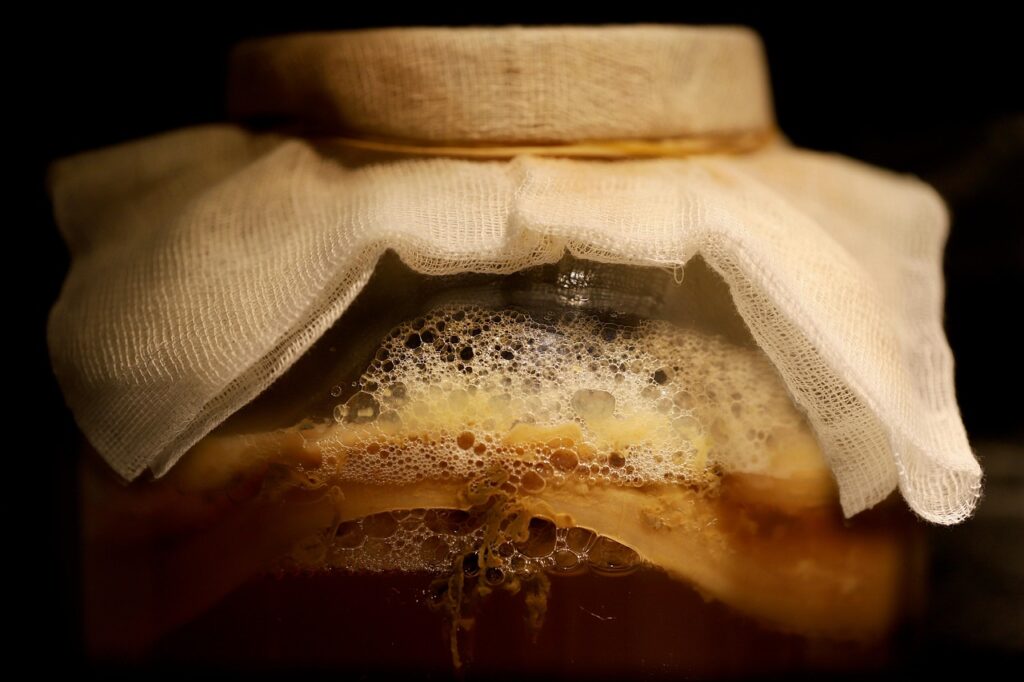
How Fermentation Shaped Global Culinary Traditions

What Fermentation Really Is Fermentation is simple at its core: microbes plus time equals transformation. Yeasts, bacteria, and molds break down sugars and starches, quietly reshaping the food from the inside out. Sometimes the result bubbles in a jar. Sometimes it smells a little wild. But every time, something raw becomes something different preserved, flavorful,

How Fermentation Shaped Global Culinary Traditions Read More »

flavor pairing guide

Flavor Pairing 101: Combinations That Always Work

Why Some Flavors Just Click Flavor harmony isn’t just gut instinct it’s chemistry. When two ingredients share aroma compounds or molecular structures, the brain reads them as complementary. That’s why basil and tomato mesh so well: they both contain eugenol, a sweet spicy compound that sparks recognition and comfort. The more overlap in aromas, the

Flavor Pairing 101: Combinations That Always Work Read More »

fermented flavors

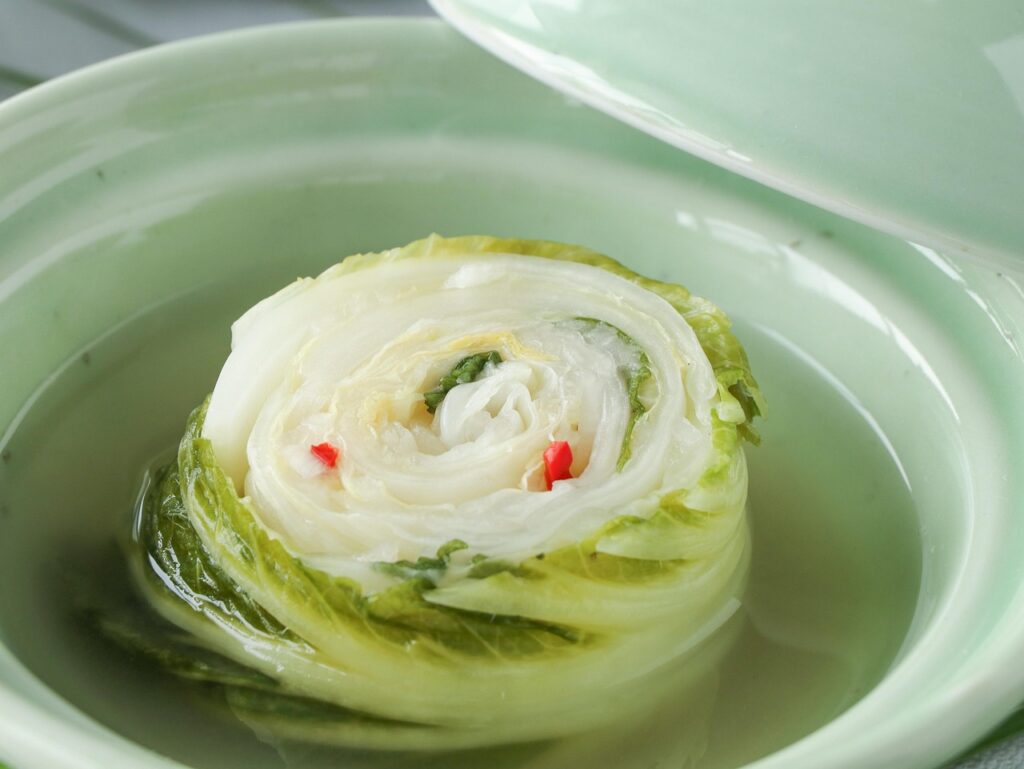
The Role of Fermentation in Traditional Flavors Around the World

What Fermentation Really Does for Flavor At its core, fermentation is a microbial transformation. Bacteria, yeasts, and molds consume sugars and starches, producing acids, gases, and alcohols in return. It doesn’t look like much just bubbles, funk, and slow change but underneath, flavor is being rebuilt from the inside out. Acids sharpen flavor and preserve

The Role of Fermentation in Traditional Flavors Around the World Read More »

spice cultural meanings

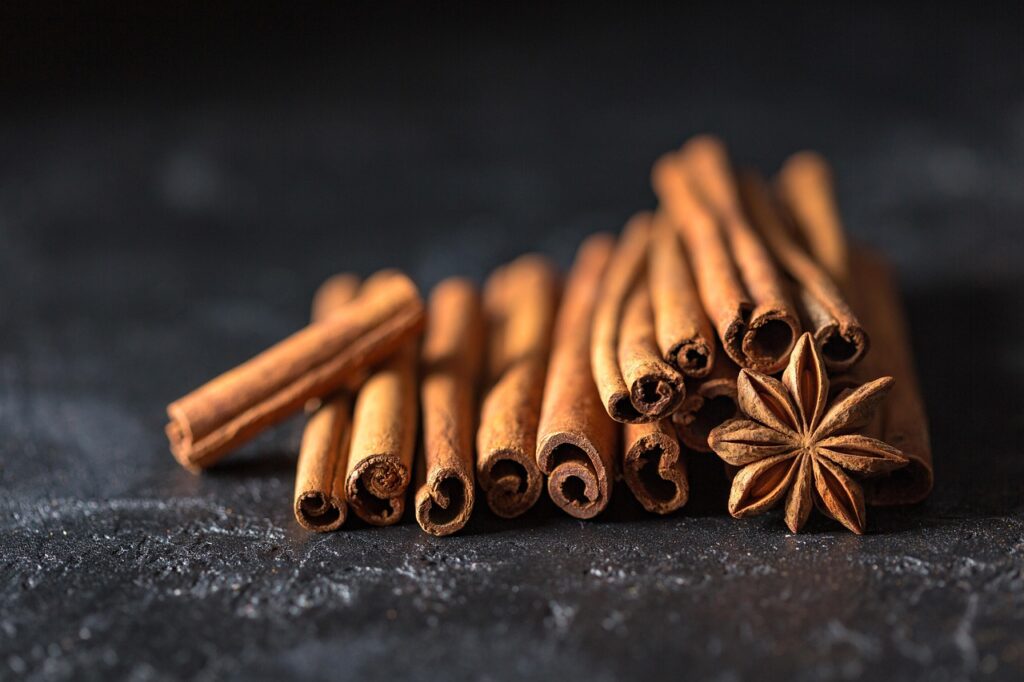
Spice Stories: Cultural Meanings Behind Popular Spices

Why Spices Carry More Than Flavor Spices aren’t just about flavor. They carry generations of meaning stitched into memory, tied to ritual, and rooted in place. Whether it’s saffron steeping in Persian rice or turmeric brushed across a bride’s cheeks in a pre wedding ceremony, spices have always been signals of identity and ceremony. In

Spice Stories: Cultural Meanings Behind Popular Spices Read More »

umami taste

Decoding Umami: The Science Behind the Fifth Taste

A Taste Beyond the Basics For most of history, people described taste using four categories: sweet, sour, salty, and bitter. Then came umami. In 1908, Japanese chemist Kikunae Ikeda gave this fifth taste its name after identifying a distinct, savory flavor in dashi, a broth made from kombu seaweed. He called it “umami,” roughly translating

Decoding Umami: The Science Behind the Fifth Taste Read More »

does felmusgano have high cholesterol

does felmusgano have high cholesterol

What Even Is Felmusgano? Felmusgano isn’t a single food with a universally agreed upon definition. Its meaning and nutritional profile depends heavily on where and how it’s made. Two Distinct Variations Plant Based Protein Source In some regions, particularly East Africa, felmusgano refers to a cooked mash made from legumes or pulses. These versions are

does felmusgano have high cholesterol Read More »

does nummazaki use raw fish

does nummazaki use raw fish

If you’ve ever wondered, “does nummazaki use raw fish,” the answer isn’t as straightforward as you might think. The brand has cultivated a unique identity that blends modern culinary presentation with influences from traditional Japanese cuisine. You can get the full breakdown at https://nummazaki.com/does-nummazaki-use-raw-fish/, but here’s a closer look at what makes Nummazaki’s approach to

does nummazaki use raw fish Read More »