What Makes a Freezer Meal Great
The biggest downfall of most freezer meals? Mush. Soggy pasta, rubbery vegetables, or dry corners that taste like old cardboard. The fix starts with controlling texture. Cook pasta and grains al dente before freezing they’ll finish cooking during reheating. Skip crispy toppings; they won’t stay crisp. Instead, add those fresh at serving time. And always let food cool before freezing: hot food trapped in plastic makes condensation, which leads to freezer burn.
When it comes to taste, seasoning can make or break a frozen dish. Strong, bold flavors tend to hold up best. Think garlic, ginger, cumin, or chili paste. Milder flavors fade, so don’t be shy with your spice rack. Acid (like a squeeze of lemon or splash of vinegar) is your secret weapon it brightens up reheated meals and fights that flat, tired flavor frozen dishes sometimes get.
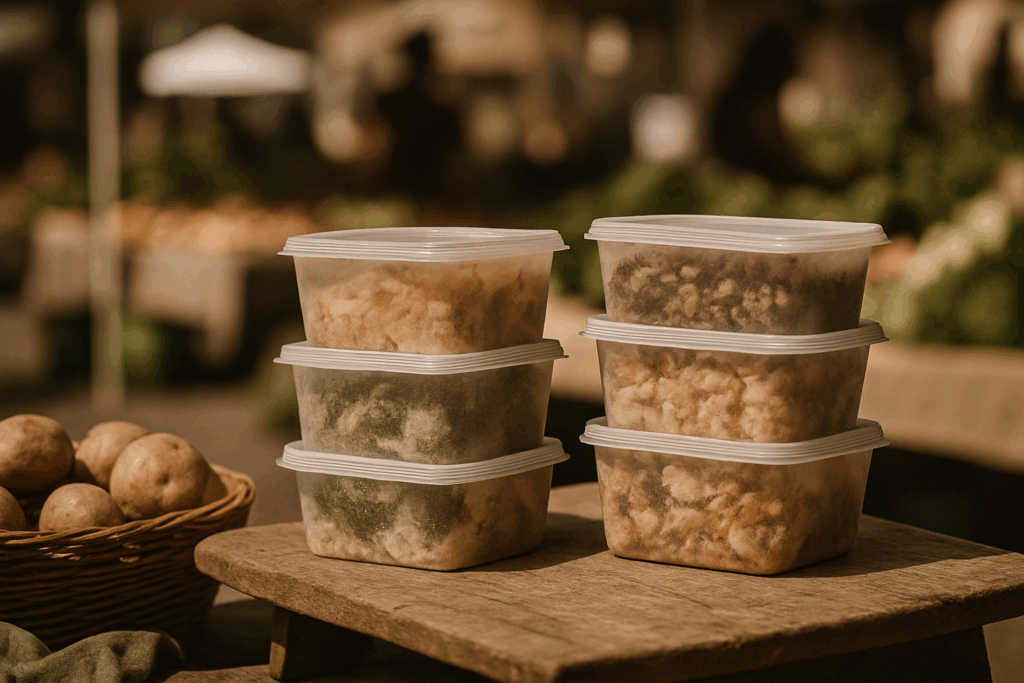
Packaging is where most people get lazy and pay for it later. Air is the enemy. Use airtight containers or double wrap with plastic and foil. Flatten sauces and soups in resealable freezer bags to save space and improve thawing time. Label clearly with the date and name of the dish mystery frozen bricks don’t help anyone.
Freeze smart, and even months later, dinner can taste like it was made yesterday.
Best Ingredients for Flavor That Lasts
The right ingredients make or break your freezer game. Start with proteins that can handle the cold without going chalky or dry. Chicken thighs beat breasts every time more fat, more flavor, better texture after thawing. Beans and tofu? Underrated heroes. They lock in moisture and soak up sauce like sponges, making every bite worth it.
When it comes to sauces, think slow cooked and bold. Stews, curries, and braises actually improve after freezing. Time gives spices time to mingle and deepen. Avoid anything cream based unless you’re okay with a grainy reheat. Tomato forward or coconut milk sauces freeze like champs.
Veggies can be tricky some go mushy fast. Stick with ones that hold their structure and taste. Peas, carrots, and spinach make the cut. Just blanch them lightly before freezing if you’re doing a scratch batch, or go for frozen straight from the store. They’ll hold up, reheat fast, and keep your meals from feeling like leftovers.
Recipes That Actually Deliver
Not all freezer meals are created equal. Some lose their soul after a week on ice. But these four? Built to last flavor, texture, and all.
Chili con carne is the ultimate make ahead classic. Ground beef or diced chuck, plenty of warming spices, and a rich tomato base all of it deepens after a freeze. Pro tip: let it cool completely before stashing. It’ll thank you later with boldness that holds up.
Coconut lentil curry pulls no punches. The aromatics, the heat, the smooth coconut backdrop it freezes like a dream and somehow comes out even more flavorful. Just don’t forget to finish with a fresh squeeze of lime when you reheat.
Tamale pie isn’t just clever it’s comfort layered in cornmeal. It holds together in the freezer without getting soggy, reheats with zero drama, and delivers a satisfying mix of soft, crunchy, savory goodness.
Weeknight lasagna is the workhorse of freezer meals. Saucy, cheesy, and layered with purpose. It sets up perfectly after freezing and reheats into something that tastes like you actually tried (even if you didn’t).
Bonus: Label everything. Include name, freeze date, and reheating instructions. Most meals reheat best either in the oven (covered, low and slow) or after a night in the fridge to thaw before warming. Rush jobs ruin texture don’t microwave from frozen unless it’s soup.
Explore more top tier freezer meal ideas
Freeze Smarter, Not Just More
Freezing meals isn’t just about volume it’s about being intentional. Whether you’re cooking for one or feeding a crew, how you portion matters. For solo eaters or couples, think small: single serving containers that reheat fast and reduce waste. Families? Go for batch portions that serve 3 4, and freeze in layers so you can pull exactly what you need on busy nights.
Next up: shape and storage. Flat freezing where you lay food in a thin layer inside zip top bags saves space and thaws quickly. It’s ideal for soups, stews, and cooked grains. Container freezing, on the other hand, works better for structured dishes like lasagna, pasta bakes, or casseroles that you want to reheat and serve in one piece.
Let’s talk hardware. Vacuum sealing delivers airtight confidence, major freezer burn prevention, and longer shelf life. It’s best for meats and long term storage. But zip top bags have their merits: they’re cheaper, easier, and if you press the air out well enough, still solid options for most short term needs. Don’t overthink it choose based on your freezer space, how fast you plan to eat what you’re freezing, and what tools you actually own.
Common Mistakes to Skip
Let’s get this straight: throwing hot food straight into the freezer isn’t saving you time it’s sabotaging your meal. Warm food raises the temperature inside the freezer, putting everything else at risk of partial thaw, and that messes with both texture and taste. Let your food cool down, fast but safely. Think shallow containers or an ice bath under your dish. It’s a small step that pays off big.
Next, wrap it up tight. Air is your enemy in the freezer. Uncovered or loosely packaged food leads to ice crystals, freezer burn, and the kind of sad, stale flavor that makes you question your choices. Use plastic wrap, foil, or vacuum seals, and squeeze out as much air as you can. Yes, even if it’s going in a container. Double sealing is smart. Lazy wrapping costs you flavor.
Last mistake? Assuming all food freezes at the same rate. It doesn’t. A soup will solidify very differently than a dense lasagna or a cooked grain. Tossing them all in together for the same timeframe won’t get you even results. Know your food, and freeze in portions shaped for consistent freezing. Uniformity equals quality when you’re defrosting later. Freeze with intention, or pay in mush later.
Where to Go Next
Ready to Level Up Your Freezer Game?
There’s a lot more to freezer cooking than just doubling a recipe and tossing leftovers into a container. With the right techniques, thoughtful ingredient choices, and smart storage, your frozen meals can taste just as good if not better than fresh ones.
Before you throw your next dish in the freezer, ask yourself:
Is it well seasoned? Bold flavors tend to hold up best.
Have you cooled it properly before freezing?
Are you storing it in the most effective way for your needs (flat, in containers, vacuum sealed)?
Keep Exploring: More Tried and True Recipes
Want recipes that consistently deliver in both flavor and convenience? We’ve done the testing so you don’t have to. From layered casseroles to globally inspired curries, find combinations that not only survive freezing but thrive in it.
Get even more expert freezer meal ideas here