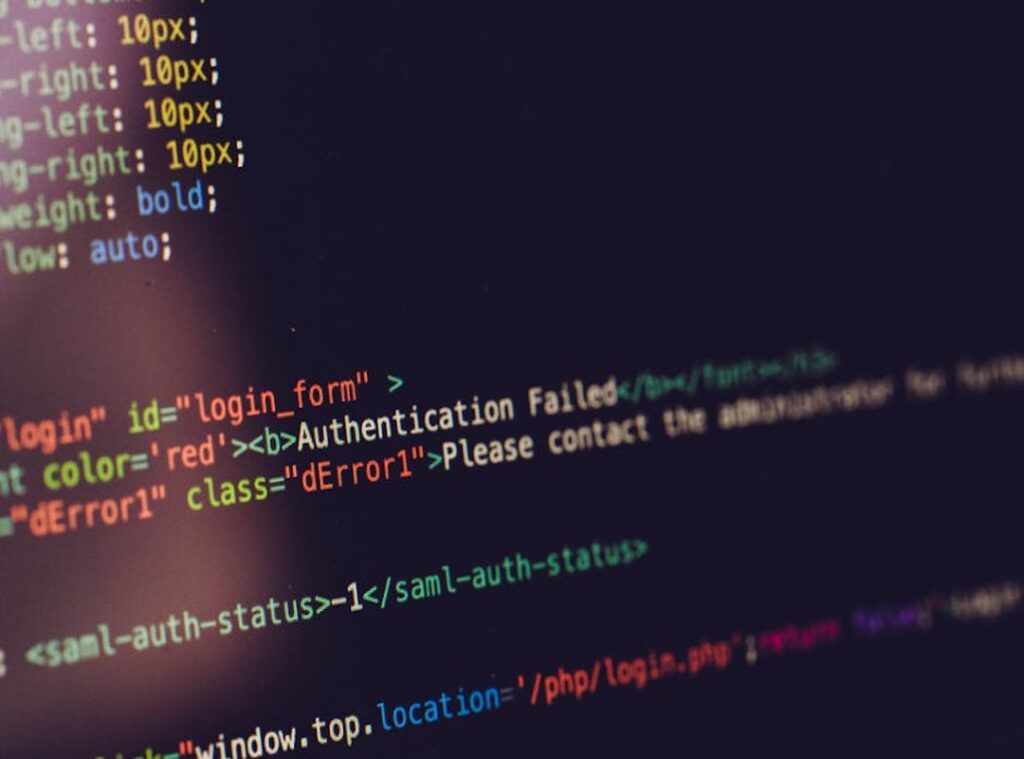
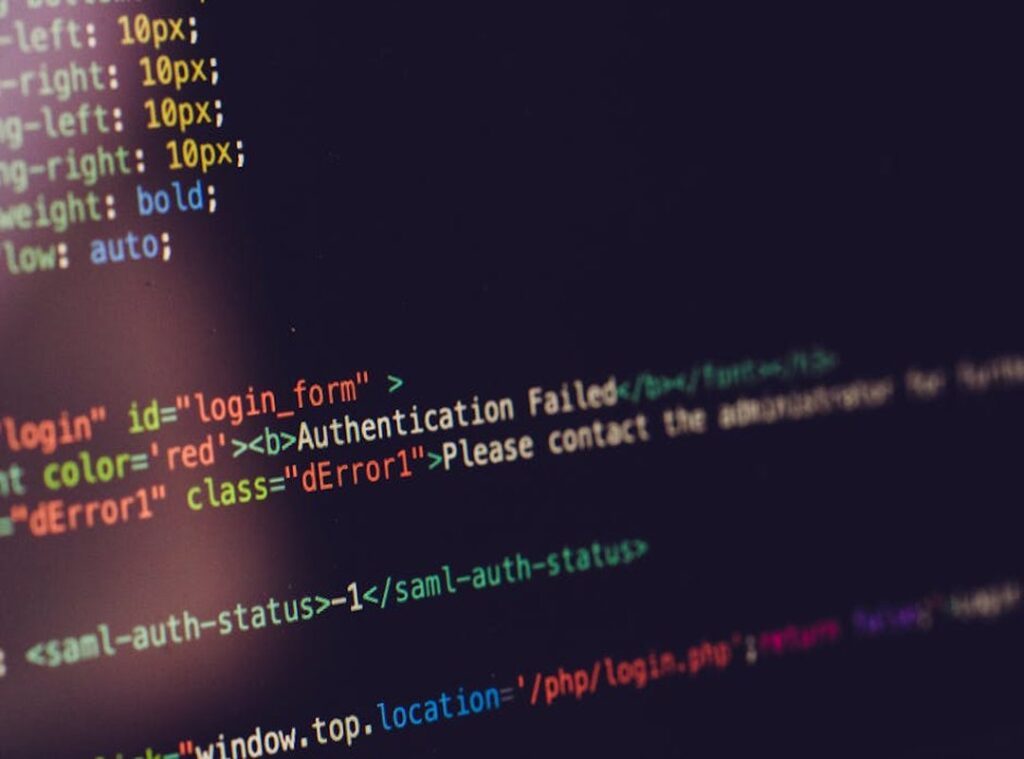
You see that loud, alarming error message on your screen. It’s locked your browser and is demanding urgent action. You might be panicking, but don’t.
The genuine 28.6 error message is almost always a deceptive scam, not a real problem with your computer.
This article is here to help. I’ll give you a step-by-step guide to remove the fake warning, secure your device, and learn how to spot these threats in the future. By following these instructions, you can resolve the issue yourself without calling any suspicious phone numbers or paying for fake support.
These scams are common because they prey on fear and a lack of technical knowledge. They make people feel helpless. But you’re not helpless.
Let’s get started.
Deconstructing the ‘Error 28.6’ Scam: How It Works
The number 28.6 is completely arbitrary. It’s chosen to sound technical and specific, but it doesn’t correspond to any real Windows or Mac error code.
Scammers use a browser pop-up that’s hard to close. They add flashing lights, warning symbols, and a loud audio alert. There’s always a prominent phone number for “technical support.”
Their goal? To trick you into calling that number. Once you do, a fake technician will try to gain remote access to your computer.
If they get remote access, they can install malware, steal personal or financial information, or charge you hundreds of dollars to “fix” a non-existent problem.
I once almost fell for this. I was stressed, and the pop-up looked so official. But I stopped and thought about it.
Why would a legitimate company use a browser pop-up to ask me to call them?
Legitimate companies like Microsoft, Apple, or Google will never use a browser pop-up to ask you to call a phone number for support. Remember that.
Your Step-by-Step Guide to Safely Removing the Pop-Up
DO NOT click anywhere on the pop-up or call the number provided.
First, you need to force-close the browser because the normal ‘X’ button might not work.
For Windows users, press Ctrl+Shift+Esc to open Task Manager. Find your browser in the list and click “End Task.”
For Mac users, press Option+Command+Esc to open Force Quit. Select your browser from the list and click “Force Quit.”
When you reopen the browser, a prompt might ask if you want to “Restore previous session.” Decline this. It can reload the scam page.
Next, clear your browser’s cache, cookies, and history. This removes files that could cause the pop-up to reappear.
If you’re using Chrome, go to Settings > Privacy and security > Clear browsing data. Choose “Cached images and files,” “Cookies and other site data,” and “Browsing history.” Click “Clear data.”
For Firefox, go to Options > Privacy & Security > Cookies and Site Data > Clear Data. Check both boxes and click “Clear.”
Finally, run a full system scan with a trusted antivirus program like Windows Defender or Malwarebytes. This ensures no malicious files were downloaded in the background.
If you encounter any issues, look for specific error codes like grs uine28.6. These can help you troubleshoot further.
How to Spot Fake vs. Real System Warnings

Knowing how to spot a fake system warning can save you from a lot of trouble. Let’s break it down.
Characteristics of FAKE Warnings
- Appear inside your web browser.
- Use overly dramatic and threatening language. (e.g., “Your computer is infected!”, “Act immediately!”)
- Have spelling or grammar mistakes.
- Always provide a phone number to call.
Characteristics of REAL Warnings
- Originate from your operating system. (e.g., Windows Security, macOS)
- Come from installed antivirus software.
- Are professional in tone.
- Direct you to official tools or websites.
Here’s a simple mental checklist:
– Is this message inside my browser?
– Does it want me to call a number?
– If yes to either, it’s almost certainly a scam.
A real warning often appears as a small, clean notification in the corner of your screen. A scam, on the other hand, takes over your entire browser window.
For example, if you see an error code like grs uine28.6 in a pop-up that covers your whole browser, it’s likely a fake. Real system warnings are more subtle and don’t take over your screen.
Stay vigilant and trust your gut. If something feels off, it probably is.
Already Called the Number? Here’s What to Do Next
If you’ve already fallen for the scam, don’t panic. Immediate action can help minimize the damage.
Disconnect your computer from the internet right away. This severs any remote connection the scammer might have.
Contact your bank or credit card company if you made a payment. Report the fraudulent charge and request a chargeback.
Run thorough scans with different reputable anti-malware programs. These can find and remove anything the scammer may have installed.
Change the passwords for all your critical accounts. Focus on email, banking, and social media, as they may have been compromised.
Pro tip: If you encounter any grs uine28.6 error codes during the process, it might indicate a more serious issue. Seek professional help immediately.
Staying Safe from Future Tech Support Scams
Scary browser pop-ups like the grs uine28.6 error are designed to trick you, not to help you. Your skepticism is your best defense.
Never call a phone number that appears in a browser pop-up warning.
Keep your browser and operating system updated. Use a reputable ad-blocker. Trust your installed antivirus software over random web alerts.
You now have the tools to recognize and handle these scams confidently on your own.