
Where It All Started
Before farm to table was a buzzword, it was a quiet resistance. In the 1970s, a handful of chefs and small farmers along the West Coast mostly in California and Oregon started doing things differently. They sourced ingredients nearby, often directly from growers they knew by name. No marketing slogans, no Instagram stories; just fresh produce, human connection, and a shared frustration with the way food was being industrialized and distributed.
The industrial food system was efficient but faceless. Uniform tomatoes shipped thousands of miles. Meat processed in distant plants with zero context. The early adopters farmers’ markets, local food co ops, and chefs prioritizing seasonality pushed back. It was a return to basics, almost revolutionary at the time.
Community supported agriculture (CSA) programs also surfaced during this period, allowing people to buy shares of a farm’s harvest. These weren’t trends back then they were survival tactics and belief systems wrapped in carrots and kale. This was the soil where farm to table took root: independent, often scrappy, but grounded in purpose.
From Niche to Nationwide
Farm to table was once a quiet, local movement chefs and farmers working in sync, far from the spotlight. That changed when key cultural moments pushed the concept into broad public view. Alice Waters brought it to the national table in the ’70s, but it wasn’t until the early 2000s, when chefs like Dan Barber and documentaries like Food, Inc. sparked public curiosity and concern about where food comes from, that the fire really caught. Suddenly, people weren’t just asking what’s for dinner but where did it come from.
Traceability turned from a nice to have into a customer expectation. Diners started demanding clarity menus listing farms, ingredients tagged with origin stories, even QR codes linking to small producers. The mystery around food sourcing was no longer acceptable, especially for higher end restaurants. If your kale had a backstory, it better be local, and preferably organic.
What made this more than a culinary trend was the way food media jumped in. Magazine features, Netflix specials, glossy slow motion shots of heirloom tomatoes being sliced all of it framed farm to table as more than just food. It became a stand in for values: awareness, locality, sustainability. Food wasn’t just something you eat it had a place, a face, and a reason to trust it.
Chefs Leading The Sustainability Charge
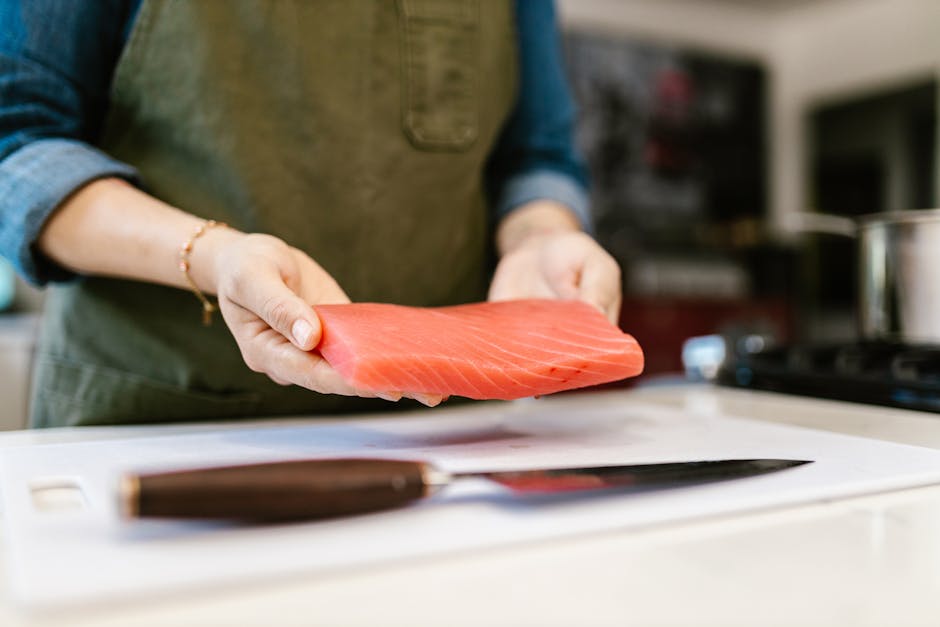
For years, chefs were the bridge between obscure farmer’s markets and the mainstream dinner table. They made local kale cool and heirloom tomatoes headline worthy. High profile restaurateurs started featuring ultra seasonal menus not as gimmicks, but as a philosophy. Behind the scenes, they forged relationships directly with farmers, skipped middlemen, and reshaped what diners expected on their plates.
But this movement goes beyond ingredients. In kitchens where sustainability is more than buzz, chefs are cutting back on energy use with induction cooking and investing in composting systems. They’re ordering smarter to reduce food waste before it even starts turning trim into stocks, peels into garnishes, and leftovers into next day features. These aren’t glossy campaigns. They’re quiet, consistent decisions that add up.
And they’re generous with what works. Many top chefs now share their green strategies openly whatever helps move the needle. If you want a closer look at what real change looks like on the line, check out these chef sustainability tips from the kitchens walking the talk.
Supply Chains Catching Up
Farm to table started as an ethos now it’s becoming infrastructure. As more consumers demand to know where their food comes from, distributors are rebuilding systems that used to prioritize volume and shelf life. Regional hubs are emerging to connect local farms with restaurants, grocers, and even schools. Instead of relying on cross country trucks or global imports, some supply chains are going hyperlocal.
Tech is stepping in to seal the trust gap. QR codes on packaging now link to sourcing maps, grower bios, and even real time harvest data. Certifications that once lived in fine print now surface quickly on mobile organic, regenerative, fair trade and they matter. Transparency is no longer just marketing language; it’s built into the model.
Grocery stores and meal kit companies are following suit. Many are labeling ingredients with farm origin, harvesting timelines, and minimal processing info. Some meal kits are forging direct partnerships with local producers, skipping warehouses altogether. It’s less about glossy branding, more about grounding food in place and process.
The bottom line: farm to table isn’t stuck on the menu anymore. It’s shaping the backend, one node at a time.
What It Means Today
Walk into a restaurant in any major city now Chicago, Portland, Atlanta and odds are you’ll see references to local farms, seasonal picks, or heritage grains somewhere on the menu. Farm to table has moved from trend to default. Diners expect transparency, fresh sourcing, and some kind of origin story with their meal. This shift has changed how chefs plan dishes, how suppliers organize deliveries, and what marketing teams showcase.
But default doesn’t mean perfect. Greenwashing is a real risk some places claim local but define it loosely, stretching the term to sell the vibe without the substance. Cost is another issue. Small producers charge what they need to survive, and not every business or customer can absorb that. Then there’s scale. Local isn’t always feasible year round or city wide, especially with climate pressures and supply chain limits.
Still, there are ways to cut through the noise. Consumers can check sourcing details, ask questions, and look for third party certifications or sourcing maps posted on menus or websites. Restaurants can keep it honest by clearly marking what’s local, what’s not, and why. The hype around farm to table may have cooled, but its best parts accountability, freshness, community are sticking.
The Road Ahead
Farm to table isn’t where the story ends it’s becoming a launchpad for tougher, smarter systems. The next leg is regenerative agriculture. This isn’t just about minimizing harm but actively healing soil, ecosystems, and communities. Think crop rotation, carbon trapping, minimal tillage, and animal integration it’s about working with nature, not against it.
The evolution also demands broader collaboration. Farmers can’t do it solo. Neither can chefs slinging hyper seasonal menus. Forward momentum now pulls in policymakers pushing reform, tech startups building traceability systems, and food scientists rethinking packaging and waste. The walls between the kitchen, the field, and the lab are coming down.
Waste and carbon footprints remain in the spotlight. Kitchens are adjusting less landfill, more compost; more nose to tail, root to stem cooking. The urgency is real, but so is the momentum. For simple, actionable approaches from chefs already making the shift, check out these chef sustainability tips. It’s not just about where your food comes from but how much of it you waste, and what kind of system it supports.