What Fermentation Really Is
Fermentation is simple at its core: microbes plus time equals transformation. Yeasts, bacteria, and molds break down sugars and starches, quietly reshaping the food from the inside out. Sometimes the result bubbles in a jar. Sometimes it smells a little wild. But every time, something raw becomes something different preserved, flavorful, and nutrient rich.
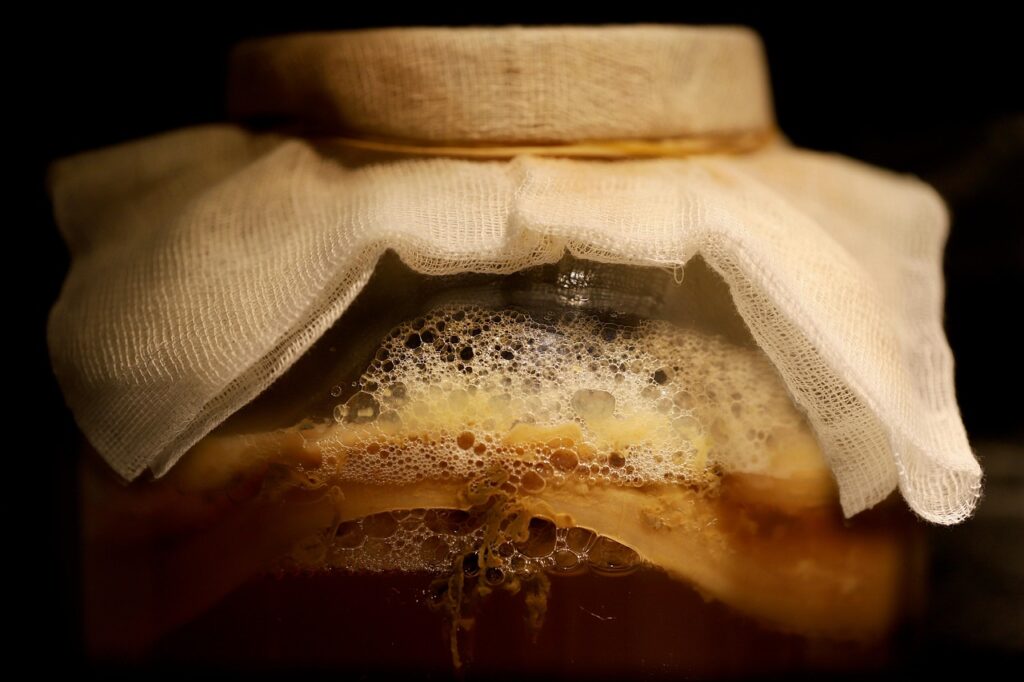
At a molecular level, fermentation lowers pH, creates alcohol or acids, and builds flavor complexity. It’s a natural preservative that predates refrigeration by centuries. It also makes food easier to digest and, in some cases, unlocks hidden nutrients. The tang in yogurt, the depth in cheese, the fizz in kombucha that’s fermentation at work.
What’s striking is how universal the method is. Isolated by geography, nearly every culture still figured it out. Whether it was the need to preserve cabbage in Korean winters or milk in the Swiss Alps, fermentation became survival. And from survival came culture, cuisine, and identity. That’s the power of microbes: invisible, but everywhere and always working.
Fermentation Across Continents
Fermentation didn’t just happen every region made it work with what they had. In Asia, it’s a masterclass in umami. Miso, soy sauce, and kimchi aren’t just condiments. They’re pillars. Built slowly, stored with intent, loaded with complexity. These foods aren’t fast but the flavor payoff is massive.
Europe leaned into grains, dairy, and controlled funk. Sourdough rose from necessity. Cheese aged in caves wasn’t just survival it was alchemy. Sauerkraut? A gut friendly staple long before anyone knew the word probiotic. Ancient methods still thrive, now kneaded into modern routines.
Africa’s fermentation draws depth from grains and bold textures. Injera the spongy flatbread made from teff is a symphony of tang and tradition. Across the continent, fermented porridges and drinks offer nutrition, preservation, and unmistakable character.
Latin America plays with fermentation in untamed, creative ways. Tepache and pulque fermented pineapple and agave drinks show how indigenous knowledge met wild yeast. These aren’t just beverages; they’re cultural resistance in a glass. Raw, alive, and still relevant.
From continent to continent, fermentation was the answer to the same question: how do we transform what we have into something unforgettable?
Not Just Flavor It’s Memory on a Plate
Fermentation isn’t just about bubbles, tang, or technique it’s a link to the people who came before us. Before refrigeration and industrial food systems, fermentation was survival. Families learned to preserve what they grew, often through processes handed down orally or by practice, generation after generation.
These passed down methods carry more than steps and measurements. They hold stories. The crock your grandmother used for pickles. The starter your uncle began on a rainy Sunday and kept alive for years. The smell of something fermenting that instantly pulls you back to a childhood kitchen. That’s memory encoded in flavor.
Today, as more people seek food that feels meaningful not just convenient those old recipes matter more than ever. Vloggers and home cooks tap back into tradition, not just for the aesthetics but because it means something. These are roots you can taste.
Want to dig deeper into how flavor stirs memory? Check out this piece: flavors and memory.
Modern Revival and Global Fusion
Fermentation isn’t just a relic of food history it’s having a moment. In 2024, chefs are turning to ancient techniques not for nostalgia, but for performance. Fermented foods bring layers of flavor that can’t be faked: depth, funk, acid, and richness that hit the palate differently. In a world leaning hard into bold, clean, and conscious eating, fermentation checks every box.
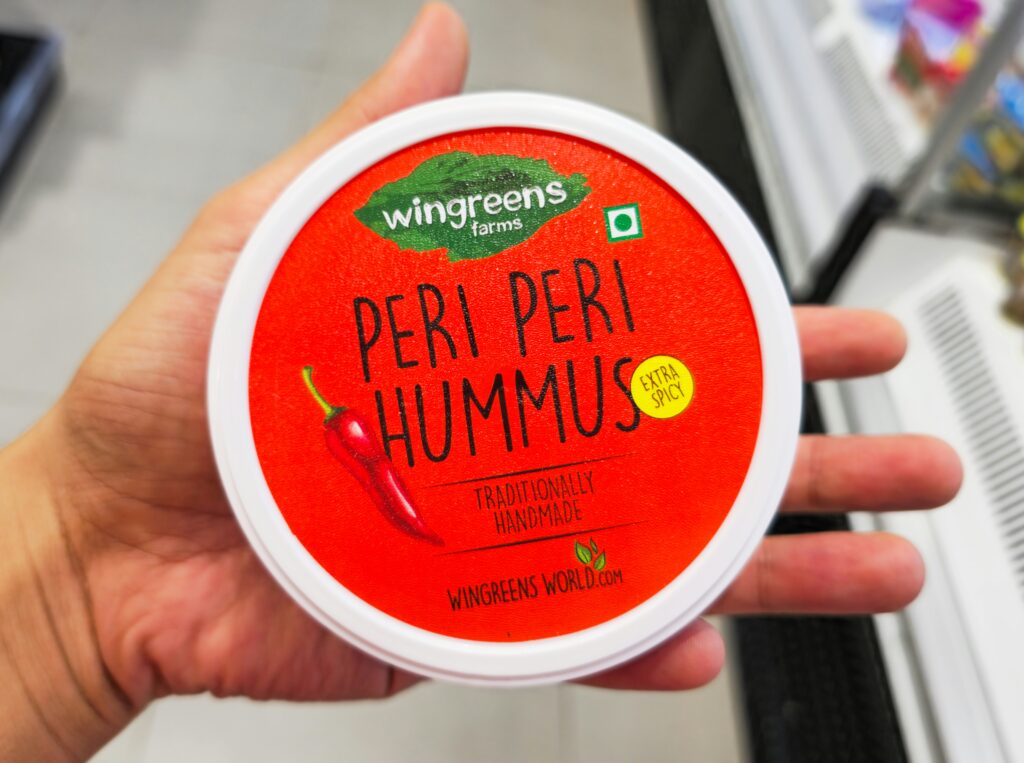
You’ll find kombucha bars tucked between third wave coffee shops and regenerative butcher counters. Artisanal kimchi is getting the charcuterie board treatment. Even fine dining kitchens are borrowing ideas swapping out vinegars for lacto brines, building sauces from house aged misos, rolling fermented chili pastes into fusion menus.
But with that fusion comes responsibility. The best chefs aren’t just borrowing they’re doing the work. Learning what moro miso is before putting it on a sandwich, understanding the role of fermentation in Korean winters before stuffing it in a taco. It’s about respecting roots while layering on new technique.
Fermentation isn’t a trend it’s a toolkit. And right now, everyone from street vendors to James Beard winners is reaching for it.
The Deeper Connection
Fermentation and Your Gut: More Than a Trend
Fermented foods are more than tasty they’re deeply functional. Thanks to live microbes known as probiotics, fermented ingredients can have a measurable impact on gut health and overall immune function.
Probiotics aid digestion by enhancing the balance of good bacteria in your microbiome.
Stronger immunity is tied to a healthy gut, which can be supported through regular consumption of fermented foods.
Common fermented superfoods include yogurt, kefir, kimchi, miso, sauerkraut, and kombucha.
Science is catching up to what many traditional cultures have long practiced: using fermentation not just to preserve food, but to nourish the body at its core.
Taste is Personal And Emotional
Behind every fermented dish is a ritual, a routine, and often, a deep emotional current. From morning sourdough routines to family recipes passed down over generations, fermentation becomes a practice of presence.
Ritual builds meaning: The act of fermenting connects us to time, patience, and transformation.
Nostalgia activates taste: A spoonful of miso soup can feel like home. A sip of tepache might recall childhood summers.
Flavor is memory: These foods carry both biological and emotional resonance.
For a closer look into how flavor connects deeply with memory and identity, you can dive deeper here.
Why It Still Matters
Fermentation isn’t just about saving cabbage or making your own pickles. At its core, it’s a quiet act of preservation in every sense of the word. Cultural identity, biodiversity, local ecology, even family history they all live in these jars, crocks, and cellars. In a world chasing speed and scale, fermentation chooses patience. It leans into natural rhythms, drawing from what’s on hand and stretching it further, with little or no waste.
Using locally grown ingredients isn’t a marketing gimmick here it’s baked into the process. Microbial communities differ from one region to another, meaning the same fermented food made in two places can taste completely different. That’s biodiversity on your plate, and it matters.
As we stare down climate shifts and disappearing heirloom foods, fermentation offers one edible solution: keep things small, smart, and deeply local. It’s not nostalgic. It’s necessary. For culture. For sustainability. For flavor that doesn’t come out of a lab.